

Choosing a gift for someone in a nursing home can feel trickier than picking something for almost anyone else on your list. Space is limited, mobility varies, and the last thing anyone needs is another knickknack collecting dust on a shelf. The best nursing home gifts for residents are the ones that actually get used — items that add comfort, spark joy, or make daily routines a little easier.
Whether you’re shopping for a parent, grandparent, or a friend you visit often, this guide walks through 13 practical and heartfelt options that go beyond generic flowers and candy. Each idea includes why it works, who it suits best, and what to look for before you buy. By the end, you’ll have a shortlist that fits your loved one’s personality, health needs, and living space — no guesswork required.
It also helps to remember that the ‘best’ gift isn’t always the flashiest one. Often it’s the small, everyday item that quietly makes life easier — a cozy blanket that gets used every single evening, or a pair of slippers that finally fit right. Keep that mindset in mind as you read through the list below, and you’ll naturally gravitate toward gifts that genuinely earn their spot in the room.
1. A Digital Photo Frame Preloaded With Family Memories
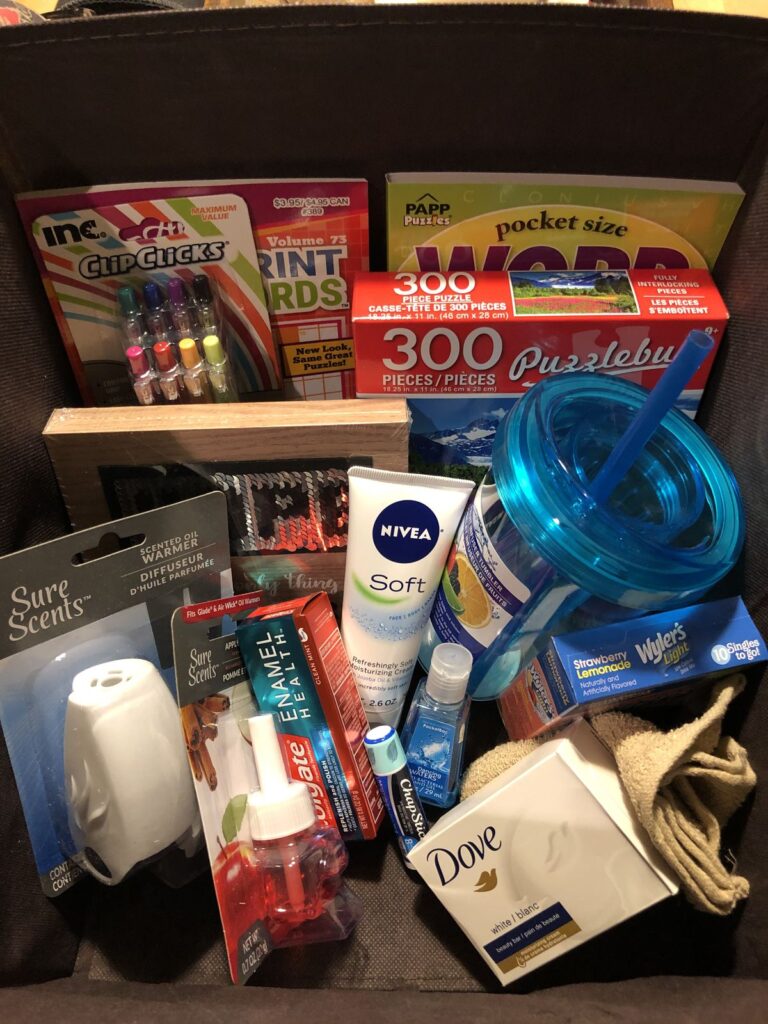
Why it’s a great gift: A digital photo frame turns a nightstand into a rotating gallery of grandchildren, holidays, and everyday moments. It gives residents something warm to look at throughout the day, especially on quieter afternoons between visits.
Benefits: Seeing familiar faces regularly has been linked to improved mood and a stronger sense of connection for older adults, particularly those who don’t get visitors every week. Many modern frames let family members upload new photos remotely, so the gift keeps giving long after the wrapping paper is gone.
Who it’s best for: Residents who are visually able to see standard screen sizes and who have family spread across different cities or time zones.
Buying tips: Look for a frame with a simple remote or large touchscreen buttons, and set it up with photos before you gift it so it’s ready to enjoy immediately. Choose one with Wi-Fi upload capability so relatives can add new pictures without needing to visit in person.
2. Adaptive, Easy-to-Wear Clothing

Why it’s a great gift: Traditional clothing with small buttons or tight zippers can be genuinely difficult for residents with arthritis, limited hand strength, or reduced mobility. Adaptive clothing swaps fiddly fasteners for magnetic closures, Velcro, or wrap styles that are far easier to manage.
Benefits: This kind of clothing supports independence and dignity, letting residents dress themselves or get dressed with less assistance and less frustration. Soft, breathable fabrics also tend to be gentler on sensitive skin, which matters for anyone spending a lot of time in a chair or bed.
Who it’s best for: Residents with limited fine motor skills, arthritis, or those who use wheelchairs and need clothing that’s easy to put on while seated.
Buying tips: Check the resident’s usual size and favorite colors before ordering, and prioritize brands that specialize in adaptive wear rather than assuming a regular size will do. Cardigans, wrap tops, and elastic-waist pants are usually safe, well-loved choices.
3. A Heated or Weighted Lap Blanket
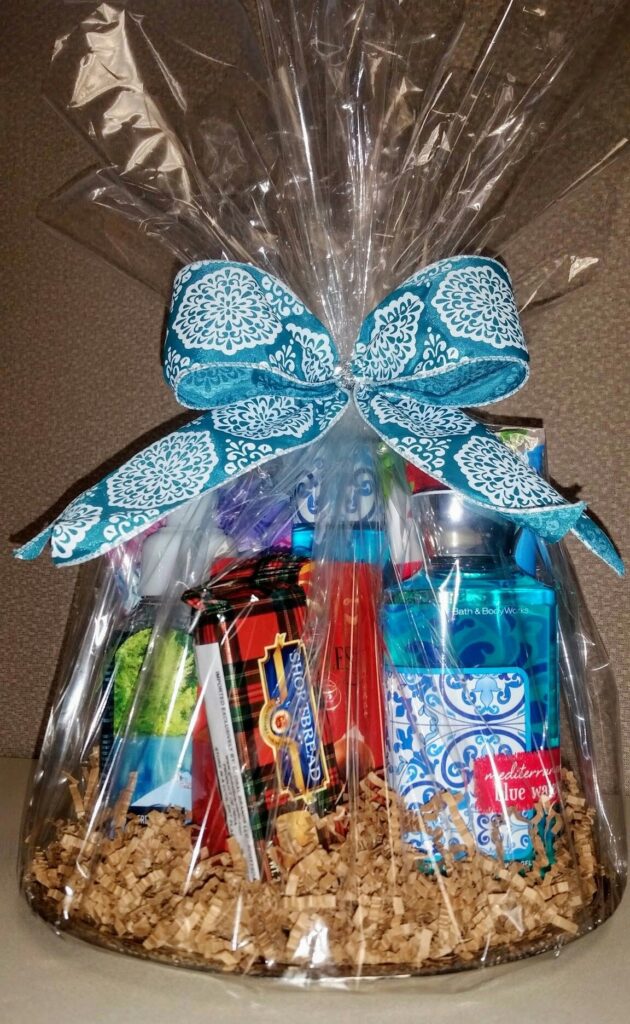
Why it’s a great gift: Nursing home rooms can run cool, especially for residents who sit for long stretches or have poorer circulation. A soft lap blanket adds warmth and coziness without being bulky or hard to manage.
Benefits: Weighted blankets are often praised for their calming, gentle-pressure feel, which some residents find soothing for anxiety or restlessness. Heated versions, particularly low-voltage USB ones, offer a quick source of comfort during colder months or air-conditioned summer days.
Who it’s best for: Residents who spend a lot of time in a wheelchair or recliner and who get cold easily.
Buying tips: Confirm with nursing staff whether electric or heated blankets are allowed, since some facilities restrict them for safety reasons. If heat isn’t permitted, a plush, machine-washable throw is a safe and still-cozy alternative, and choosing a neutral, easy-to-clean color helps it stay looking fresh with regular use.
4. Large-Print Books and Audiobooks

Why it’s a great gift: Reading is one of the simplest pleasures that can slip away when eyesight or dexterity declines, but large-print books and audiobooks bring that joy back within easy reach. They let residents keep enjoying stories without the strain of squinting at tiny text.
Benefits: Regular reading or listening keeps the mind engaged and offers a comforting routine, especially for lifelong book lovers. Audiobooks are particularly helpful for residents with vision changes or hand tremors who find holding a physical book tiring.
Who it’s best for: Residents who enjoyed reading before moving into care, or anyone who likes a quiet way to pass the afternoon.
Buying tips: Ask about genre preferences first — mystery, romance, and memoir are consistently popular. If you want to build out a fuller reading gift, this
book gift basket idea guide is a great place to find extra pairing ideas, like cozy bookmarks or a soft reading lamp, to round out the gift.
5. Non-Slip, Cushioned Slippers
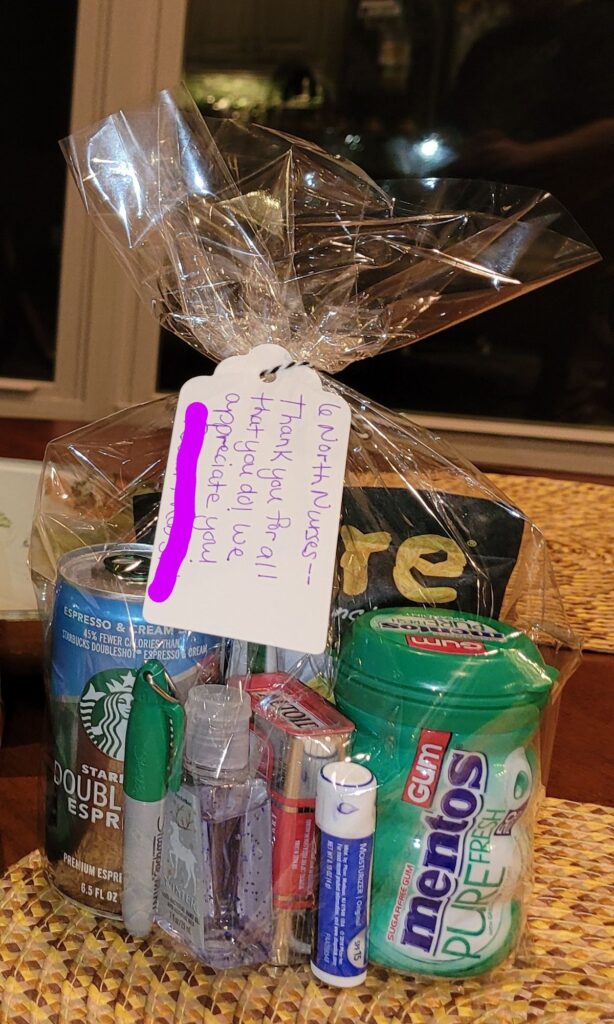
Why it’s a great gift: Good footwear matters more than people realize in a care setting, where floors can be slick and balance isn’t always steady. Non-slip slippers with cushioned soles offer both comfort and a genuine safety upgrade.
Benefits: Reduced fall risk is a real, practical benefit, and soft, supportive slippers also ease pressure on feet that may be swollen or sensitive. Many residents wear slippers most of the day, so a well-fitting pair gets constant use.
Who it’s best for: Nearly any resident, though especially those with diabetes, swelling, or a history of falls.
Buying tips: Get the correct shoe size rather than guessing, and choose a pair with a firm, grippy sole rather than smooth fabric on the bottom. Adjustable closures like Velcro make them easier to put on for residents with swollen feet.
6. A Large-Button Universal Remote

Why it’s a great gift: Standard TV remotes are often covered in tiny buttons that are hard to read and even harder to press accurately. A simplified, large-button remote removes that daily frustration and puts control back in the resident’s hands.
Benefits: This small swap can restore a resident’s independence around something as simple as changing the channel or adjusting the volume. It also reduces reliance on staff or visitors for basic tasks, which many residents genuinely appreciate.
Who it’s best for: Residents with low vision, tremors, or arthritis who watch TV regularly but struggle with their current remote.
Buying tips: Make sure the remote is compatible with the specific TV or cable box in the resident’s room before buying — a quick photo of the current remote’s brand can help you match it correctly.
7. A Supportive Lumbar or Neck Pillow

Why it’s a great gift: Sitting for long periods in a wheelchair or recliner can take a toll on the back and neck, and standard pillows rarely offer the right kind of support. A well-designed lumbar or neck pillow can noticeably ease everyday discomfort.
Benefits: Better posture support can reduce stiffness and pain, which in turn makes it easier for residents to stay engaged during meals, visits, and activities instead of shifting uncomfortably. Memory foam options also tend to hold their shape longer than standard filling.
Who it’s best for: Residents who spend most of their day seated, or those managing chronic back or neck pain.
Buying tips: Look for a washable cover and a size that fits the resident’s specific chair or wheelchair, since an oversized pillow can be more hindrance than help.
8. Adaptive Tableware and Easy-Grip Utensils

Why it’s a great gift: Mealtime should be a highlight of the day, not a source of stress, yet standard cutlery can be genuinely hard to grip for residents with arthritis or reduced hand strength. Adaptive utensils with thicker, textured handles make eating far more manageable.
Benefits: These tools support independent eating, which preserves dignity and often improves appetite since meals feel less frustrating. Non-slip placemats and weighted cups from the same product lines can round out the benefit even further.
Who it’s best for: Residents with arthritis, tremors, or limited hand strength who still eat most meals independently.
Buying tips: Choose dishwasher-safe sets so staff can clean them easily, and check with the facility about any dietary or feeding-assistance guidelines already in place.
9. A Bedside Caddy or Organizer
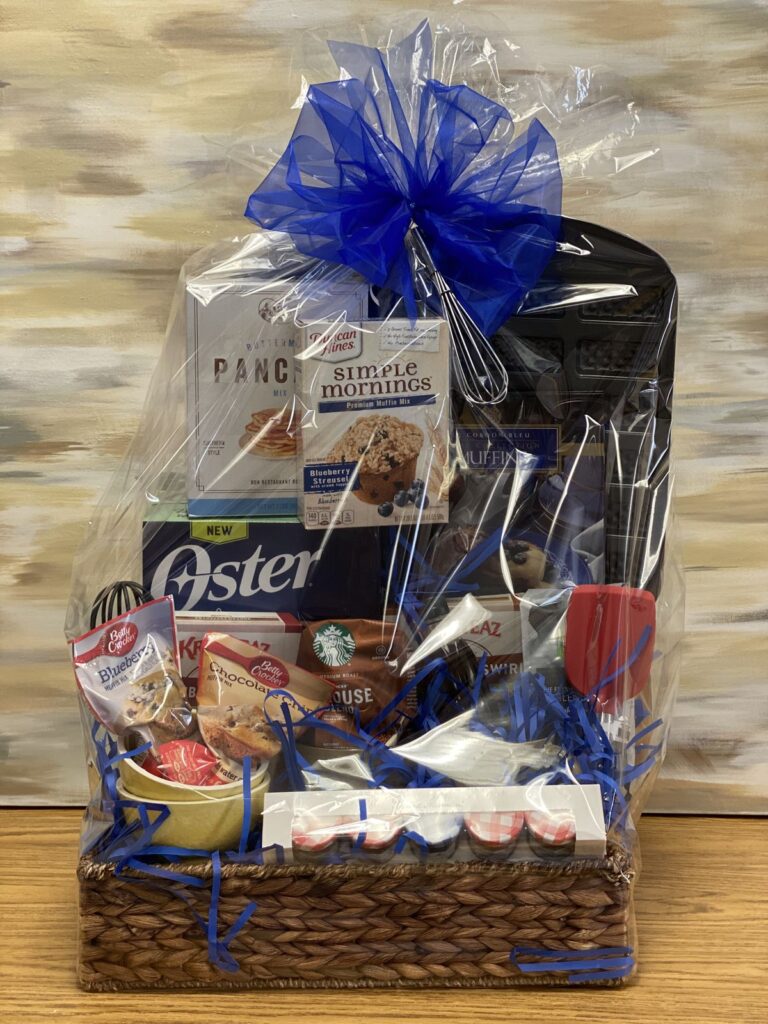
Why it’s a great gift: Nursing home rooms have limited space, and small essentials like glasses, tissues, the TV remote, and a phone can easily get lost in the shuffle of a nightstand. A bedside caddy keeps everything within arm’s reach and neatly organized.
Benefits: Fewer misplaced items means less daily frustration and fewer requests for staff to go searching for a lost hearing aid case or pair of glasses. It also gives the room a tidier, calmer feel, which many residents find genuinely comforting, and it can make a small shared space feel a bit more personal and put-together.
Who it’s best for: Residents with limited mobility who can’t easily get up to retrieve items, or anyone who tends to misplace small essentials.
Buying tips: Pick a caddy that attaches securely to a bed rail or chair arm rather than one that sits loose, since a stable design gets used far more consistently. If you’re also thinking about tidying up the rest of the room,
simple home organization ideas can offer more inspiration for small-space storage solutions that translate well to a single room.
10. A Personal Care and Spa Gift Set
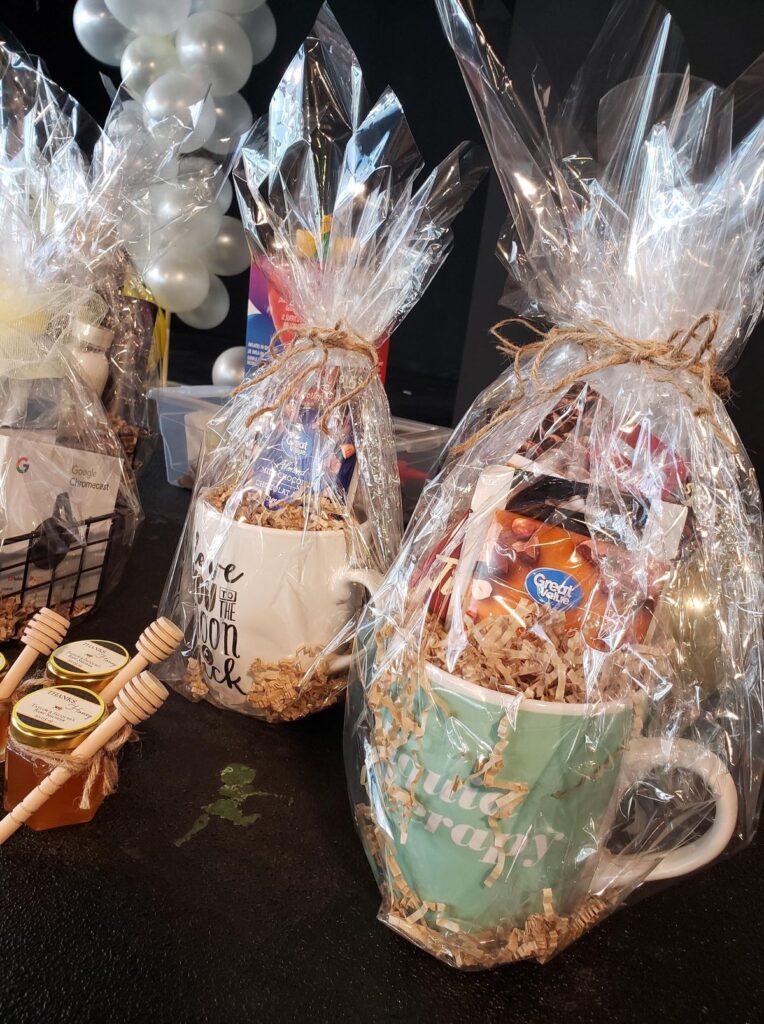
Why it’s a great gift: A thoughtfully chosen set of lotions, lip balm, and gentle skincare products offers a small, sensory moment of self-care in an otherwise routine-driven day. It’s a gift that feels genuinely indulgent without being impractical.
Benefits: Dry skin is common among older adults, so a rich, fragrance-free lotion can be both soothing and practical. Unscented or lightly scented options are gentler for sensitive skin and are usually welcomed by facility staff as well.
Who it’s best for: Almost any resident, particularly those who enjoyed skincare routines or grooming rituals earlier in life.
Buying tips: Stick to unscented or mild formulas, since strong fragrances can trigger headaches or allergies for some residents. For more inspiration on building out a well-rounded, genuinely useful set,
self-care gift basket ideas offers a helpful starting point, even though it’s written with a broader audience in mind.
11. A Window Bird Feeder

Why it’s a great gift: For residents whose room has a view of the outdoors, a window-mounted bird feeder brings a bit of nature right up close. Watching birds come and go can turn a plain window into a genuinely engaging daily ritual.
Benefits: Nature-based activities are known to have a calming, mood-lifting effect, and a bird feeder requires no physical effort from the resident to enjoy. It’s also an easy conversation starter during visits from family or fellow residents.
Who it’s best for: Residents with a window that gets some outdoor view, especially former gardeners or animal lovers.
Buying tips: Choose a feeder with strong suction cups rated for the specific window type, and check with staff about refilling seed regularly so it stays in use rather than sitting empty.
12. A Simple Bluetooth Speaker With a Preloaded Playlist

Why it’s a great gift: Music has a remarkable ability to lift spirits and even stir memories, especially favorite songs from a resident’s younger years. A small, easy-to-use Bluetooth speaker makes it simple to enjoy that music anytime.
Benefits: Familiar music has been shown to ease anxiety and boost mood, particularly for residents living with memory-related conditions. A speaker with one-button controls means residents don’t need to fuss with complicated apps or settings.
Who it’s best for: Music lovers of any kind, and especially helpful for residents who benefit from calming or familiar audio cues.
Buying tips: Choose a speaker with large, tactile buttons rather than a touchscreen interface, and preload it or pair it with a device that already has a favorite playlist ready to go.
13. Large-Print Puzzle Books and Brain Games

Why it’s a great gift: Word searches, crossword puzzles, and sudoku in large print give residents an enjoyable way to stay mentally active. They’re low-pressure, easy to pick up and put down, and don’t require any setup.
Benefits: Regular light mental engagement is often encouraged by care teams as part of a resident’s overall wellbeing routine. These books are also inexpensive, portable, and easy to bring along on future visits as a refill gift.
Who it’s best for: Residents who enjoy quiet, solo activities and appreciate a bit of mental challenge without screens.
Buying tips: Confirm the print size is genuinely large — some books labeled ‘large print’ are only marginally bigger than standard text. Pair the book with a comfortable, easy-grip pen for the full experience.
Tips for Choosing the Right Nursing Home Gift
A little research before you shop goes a long way toward picking something that truly fits. Keep these points in mind as you narrow down your options:
- Ask about mobility and dexterity: A gift that requires strong grip strength or steady hands may not get used if the resident has arthritis or tremors.
- Check facility rules first: Some nursing homes restrict candles, certain electrical items, or anything with small, swallowable parts, so a quick call to staff can save you a return trip.
- Consider room size: Bulky or decorative items often end up in storage, while compact, functional gifts tend to stay in daily rotation.
- Think about sensory needs: Vision, hearing, and touch sensitivities all affect which gifts will genuinely be enjoyed versus simply tolerated.
- Prioritize easy care: Machine-washable, low-maintenance items are easier for staff to manage and more likely to stay in good condition.
- Factor in cognitive changes: Residents with memory-related conditions often respond best to simple, sensory-focused gifts rather than anything with instructions or setup steps.
- Personalize where you can: A generic item feels nice, but one tied to a hobby, favorite color, or shared memory tends to mean far more.
When in doubt, a quick conversation with a nurse, activities coordinator, or family member who visits often can point you toward exactly what’s missing from the resident’s day-to-day routine. Staff members in particular often have a clear sense of what a resident has mentioned wanting or missing, even in passing conversation.
Gifts to Avoid
Not every well-intentioned gift lands the way you hope. A few categories are worth skipping altogether:
- Fresh flowers with strong fragrances, which can trigger allergies or headaches in shared or poorly ventilated spaces.
- Perishable food items, especially without checking dietary restrictions like diabetic or low-sodium diets first.
- Anything with small, detachable parts if the resident has any level of memory impairment or supervision concerns.
- Open flame candles or anything with exposed heating elements, which most facilities prohibit for safety reasons.
- Clothing in the wrong size, since ill-fitting garments usually end up unused in a drawer.
- Purely decorative clutter that adds nothing functional to a small, shared, or closely monitored living space.
Frequently Asked Questions
What is the most practical gift for a nursing home resident?
Comfort-focused items like adaptive clothing, non-slip slippers, or a supportive cushion tend to be the most consistently useful, since they improve something the resident deals with every single day.
How much should I spend on a nursing home gift?
There’s no set budget — many of the most appreciated gifts, like a large-print puzzle book or a soft lap blanket, cost relatively little. Thoughtfulness and usefulness matter far more than price.
Can I bring electronic gifts to a nursing home?
Most facilities allow electronics like digital photo frames or Bluetooth speakers, but it’s smart to check with staff beforehand, especially for anything that needs to be plugged in or charged regularly.
What should I avoid gifting someone in memory care specifically?
Skip anything with small parts, sharp edges, or complicated instructions, and lean toward simple, sensory-friendly items like music, soft textures, or familiar photos instead.
Are gift cards a good idea for nursing home residents?
Gift cards can work well if the resident or a family member regularly shops for them, but a tangible, ready-to-use item is often more immediately meaningful for someone with limited outings. If you do choose a gift card, pairing it with a small physical gift usually feels more personal.
How often should I bring new gifts during visits?
There’s no strict rule, but small, low-cost additions — a new puzzle book, a fresh lotion, or a few photos for the frame — every few visits tend to keep things feeling fresh without overwhelming a small living space. Spacing gifts out this way also gives you a built-in reason to check in and see what’s actually being used.
What if I don’t know the resident’s specific health needs or restrictions?
When in doubt, choose something broadly safe and low-risk, like a soft blanket, large-print puzzle book, or unscented lotion, and ask a staff member or family caregiver to confirm before your visit. It only takes a quick phone call to avoid an awkward mismatch.
Conclusion
Picking a nursing home gift doesn’t have to mean settling for something forgettable. When you focus on comfort, independence, and genuine daily usefulness, even a simple gift can make a real difference in how a resident experiences their day.
Start with one or two ideas from this list that match your loved one’s personality and needs, and don’t be afraid to ask staff for guidance along the way. A little thoughtfulness goes a long way toward turning a visit into something they’ll genuinely look forward to.
Ready to pick something special? Choose the gift from this list that feels most like your loved one, and consider bringing it along on your next visit rather than waiting for a special occasion — sometimes an ordinary Tuesday is the perfect day to make someone’s whole week.


