

Walk into any toddler classroom and you can tell within seconds whether a child will feel safe there. Soft colors, familiar shapes, and a few cozy touches mean more to a two-year-old than any lesson plan ever could.
That is the real magic behind thoughtful toddler classroom decor. The right toddler classroom decoration ideas do far more than look pretty for a quick photo. They calm shaky goodbyes, spark curiosity, and turn four bare walls into a genuine toddler learning space.
A well-decorated room quietly tells little learners, “you belong here,” before a single word gets spoken. Whether you are refreshing a daycare classroom or building your very first preschool classroom setup, the following 13 ideas are tested, toddler-approved, and easy on the budget. Each one blends charm with real function, so your early childhood classroom feels like a second home rather than just a stop between drop-off and pickup.
1. Create a Cozy Reading Nook Wall
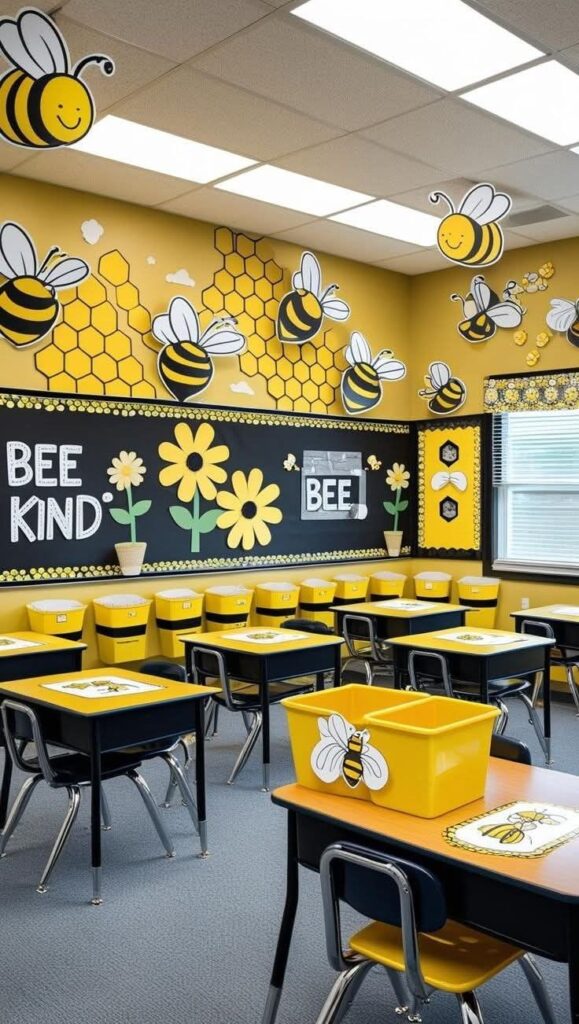
Toddlers gravitate toward small, tucked-away spaces that feel like a hug, which is exactly why a reading nook earns its spot on this list. Surround the area with soft wall decals at eye level, since toddlers naturally look at the lower third of a wall rather than up high.
Decorating tips: Hang a simple fabric canopy overhead, add a few framed board book covers, and tuck in a plush rug for floor time. Keep the corner partially enclosed with a low shelf or curtain so it feels private and calm.
Budget-friendly suggestions: Thrifted floor pillows, a repurposed bookshelf, and peel-and-stick decals cost far less than paint or wallpaper and come off cleanly later.
Color recommendations: Soft sage green, warm cream, or dusty blue tend to soothe rather than overstimulate young eyes.
Materials to use: Felt, cotton canvas, laminated paper for durability, and removable vinyl decals.
Practical benefits: A defined reading corner builds early literacy habits naturally and gives kids a quiet retreat during a busy day.
Teacher-friendly tip: Rotate the displayed book covers each month to keep the nook feeling fresh without spending extra money.
Safety consideration: Anchor any shelving to the wall studs and skip small, detachable embellishments that could become choking hazards.
2. Use a Soft Pastel Color Palette Throughout
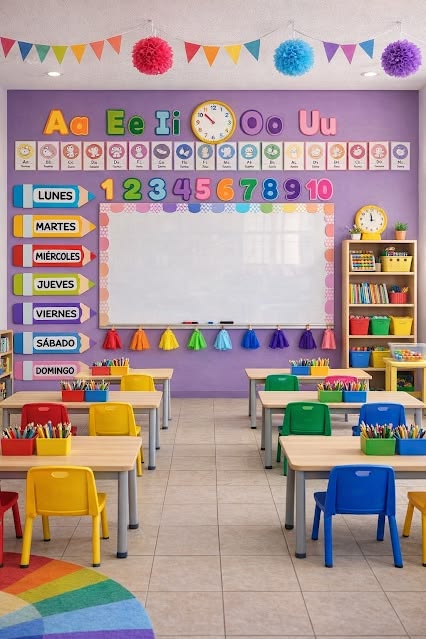
Bright primary colors can overstimulate a toddler’s developing senses, while a soft pastel palette creates a calmer classroom decorating ideas foundation that still feels playful and fun.
Why it works: Muted tones lower visual noise, helping toddlers focus, regulate emotions, and transition between activities more smoothly throughout the day.
Decorating tips: Choose two or three pastel shades for walls and accents, then let toys, art supplies, and children’s work add the pops of brighter color naturally.
Budget-friendly suggestions: Paint one accent wall instead of the whole room, or use large fabric panels that can move with you to a new space later.
Color recommendations: Blush pink, butter yellow, soft mint, and pale lavender pair beautifully and photograph well for Pinterest boards.
Materials to use: Low-VOC paint, fabric bunting, or removable wallpaper strips for renters and shared spaces.
Practical benefits: A cohesive palette makes the whole learning environment feel intentional rather than cluttered, which also helps during licensing inspections and parent tours.
Teacher-friendly tip: Test paint swatches under your classroom’s actual lighting before committing, since fluorescent bulbs can shift pastel tones noticeably.
Safety consideration: Always confirm paint is non-toxic and fully cured before toddlers spend extended time in the room.
3. Add Personalized Cubby and Name Tag Labels
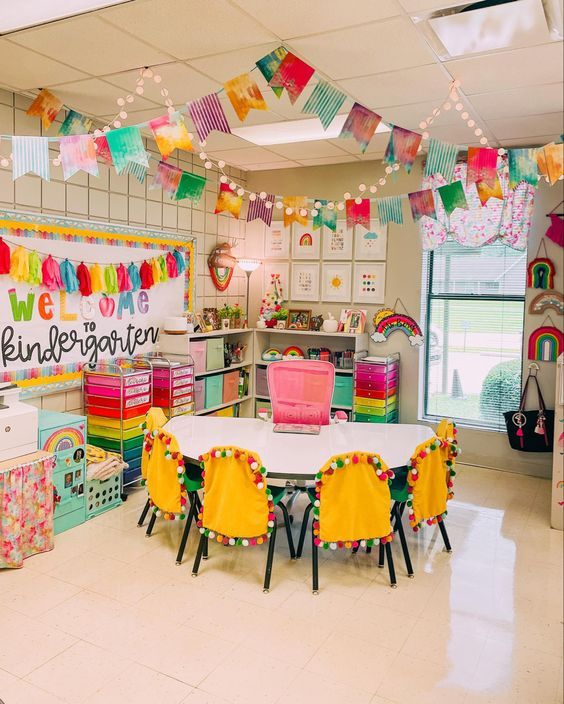
Seeing their own name and photo near a cubby gives toddlers an instant sense of ownership, which matters enormously in an early childhood classroom where everything else feels new.
Why it works: Personalized labels help nonverbal and emerging readers identify their own space, reducing morning mix-ups over belongings.
Decorating tips: Pair each child’s first name with a small photo, a favorite animal icon, or a colored shape so toddlers can self-identify even before they read.
Budget-friendly suggestions: Print labels on cardstock and laminate them yourself rather than ordering custom acrylic plaques.
Color recommendations: Assign each child a unique accent color that repeats on their hook, cubby, and storage bin for quick visual matching.
Materials to use: Laminating sheets, adhesive Velcro dots for easy swapping, and sturdy cardstock that withstands little hands.
Practical benefits: This system supports classroom organization ideas while quietly teaching independence, since toddlers learn to find and put away their own items.
Teacher-friendly tip: Leave a blank cubby template ready so a new student’s label takes minutes, not an entire planning period.
Safety consideration: Mount cubbies low enough that toddlers never need to climb, and avoid sharp metal hooks in favor of rounded plastic ones.
4. Bring in Nature-Inspired Wall Art
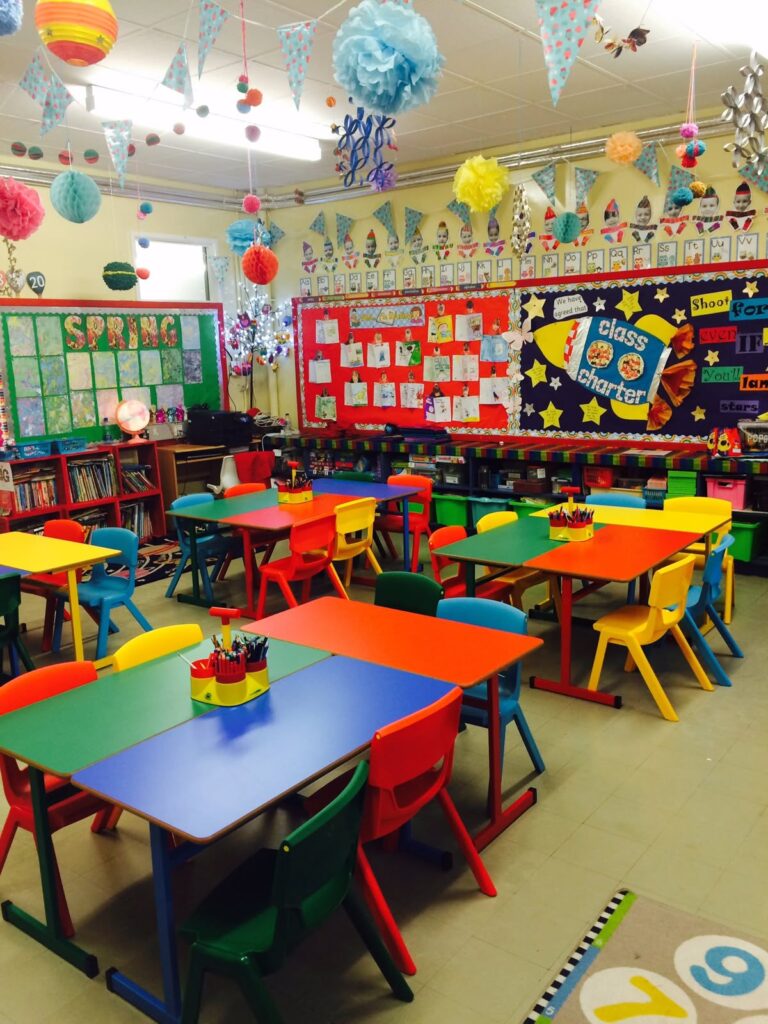
Leaves, animals, and gentle landscapes connect toddlers to the natural world and add warmth that purely cartoonish decor sometimes lacks.
Why it works: Nature themes feel timeless rather than trendy, so the toddler classroom decor stays relevant across multiple school years without feeling outdated.
Decorating tips: Mix textured elements like felt leaves or wooden cutouts with flat prints to add visual depth without overwhelming the wall.
Budget-friendly suggestions: Press real leaves between clear laminate sheets, or print free nature illustrations instead of buying commercial sets.
Color recommendations: Earthy greens, soft browns, and warm terracotta create a grounding, neutral backdrop for a busy room.
Materials to use: Felt, burlap, craft paper, and washable laminate for anything within toddler reach.
Practical benefits: Nature themes naturally support science talk, like naming animals or discussing seasons, strengthening early vocabulary during everyday conversation.
Teacher-friendly tip: Build a rotating “season corner” within the nature display so the same wall stays useful and relevant all year long.
Safety consideration: Avoid real dried flowers or seed pods that could be small enough to swallow, and check for mold risk on any pressed natural materials.
5. Design an Interactive Alphabet and Number Wall
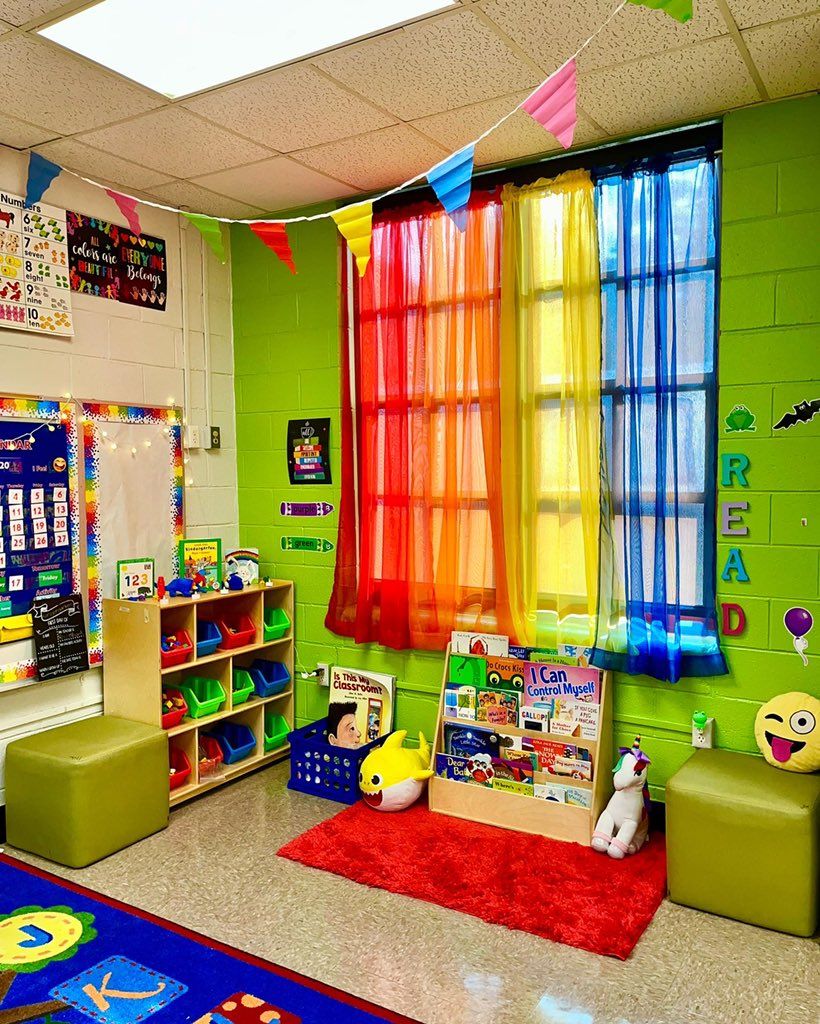
Letters and numbers placed at toddler height turn a hallway glance into an actual learning moment, supporting early academic skills long before formal instruction begins.
Why it works: Repeated, casual exposure to letters and numbers in a relaxed setting builds familiarity far better than flashcard drills ever could.
Decorating tips: Add a texture or object to each letter, like “A is for apple” with a felt apple toddlers can touch and lift off.
Budget-friendly suggestions: Use foam letters from a craft store and a printed number line instead of an expensive commercial alphabet kit.
Color recommendations: A rainbow gradient works beautifully here, since this is one wall where bold color genuinely supports the learning goal.
Materials to use: Foam shapes, Velcro backing for interactive pieces, and laminated cards toddlers can safely handle.
Practical benefits: This display supports a true toddler learning space by blending play and pre-literacy skills in one glance-friendly spot.
Teacher-friendly tip: Mount removable pieces so toddlers can practice matching letters during small group time, then return them to the wall.
Safety consideration: Secure all small interactive pieces with Velcro rather than pins or magnets that toddlers could pull off and mouth.
6. Set Up a Calming Corner With Soft Textures
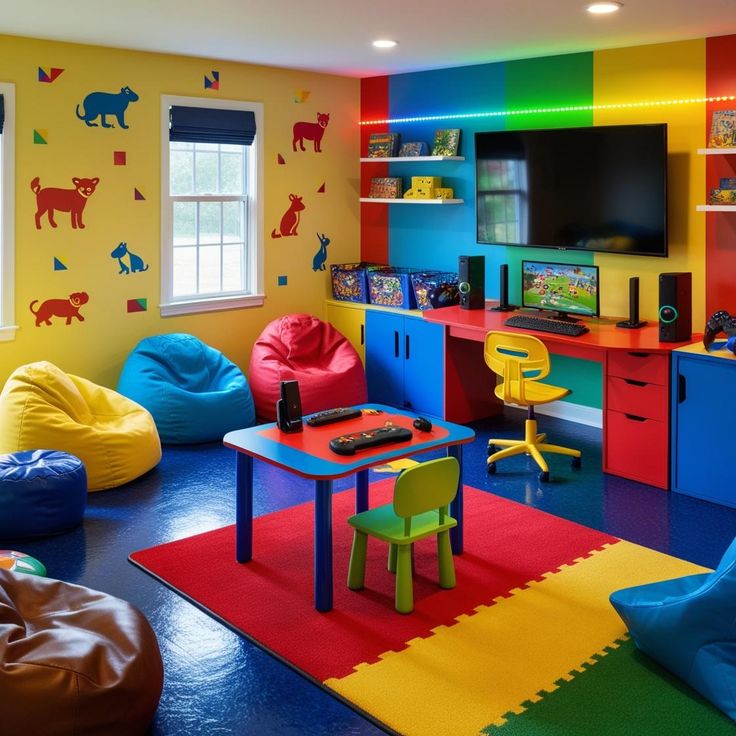
Every toddler needs a place to reset when big feelings show up, and a dedicated calming space supports emotional regulation far better than asking a toddler to “just calm down.”
Why it works: A soft, low-stimulation corner gives toddlers a physical cue that it is safe to slow down, separate from the busier areas of the room.
Decorating tips: Layer textures like a beanbag, a soft blanket, and a few squishy sensory toys, then keep wall colors muted here more than anywhere else in the room. For a full breakdown of layout and supplies, these classroom calming corner ideas offer extra inspiration worth borrowing.
Budget-friendly suggestions: Repurpose a closet nook or unused corner instead of building new furniture from scratch.
Color recommendations: Pale blue, soft gray, or muted lavender support a slower heart rate better than bright, busy patterns.
Materials to use: Plush fabric, weighted lap pads, and washable cushion covers for easy cleaning.
Practical benefits: A consistent calming corner reduces classroom disruptions and gives teachers a clear, gentle redirection tool during tough moments.
Teacher-friendly tip: Add a simple visual breathing chart toddlers can “follow” with their eyes, even before they can read instructions.
Safety consideration: Avoid heavy or breakable decor items in this corner, since toddlers may flop or roll here more than they walk carefully.
7. Hang Felt and Fabric Wall Hangings
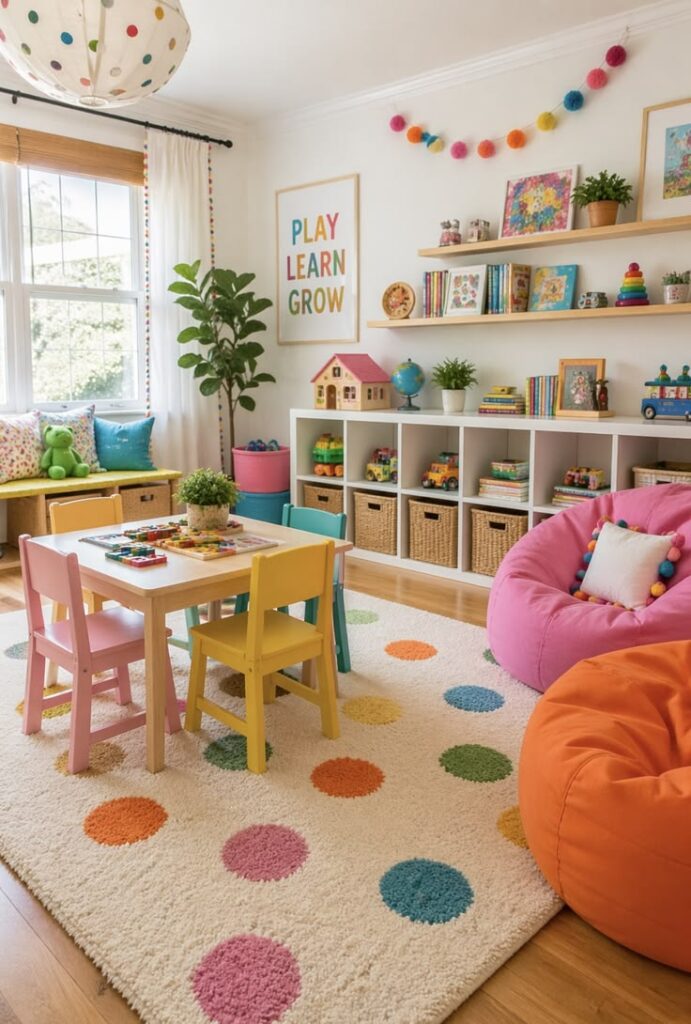
Fabric adds instant softness to a room full of hard floors and plastic furniture, making felt and cloth wall hangings one of the simplest ways to warm up sterile classroom wall decor.
Why it works: Soft materials absorb sound, reduce echo, and feel gentler to the touch than laminated paper or vinyl posters.
Decorating tips: Layer a few large felt banners with smaller fabric pennants at varying heights to create visual interest without cluttering the wall.
Budget-friendly suggestions: No-sew felt projects use hot glue instead of stitching, cutting both time and cost significantly.
Color recommendations: Coordinate fabric hangings with your existing pastel palette so the room feels unified rather than mismatched.
Materials to use: Felt sheets, cotton fabric scraps, embroidery hoops, and fabric glue.
Practical benefits: Fabric decor is naturally quieter and gentler, which matters in rooms where toddlers nap, transition, or work in close quarters.
Teacher-friendly tip: Make hangings double-sided so you can flip them for a quick seasonal refresh without buying new pieces.
Safety consideration: Secure all hangings well above grabbing height and avoid loose ribbons or strings longer than a few inches.
8. Decorate the Classroom Door for Each Season
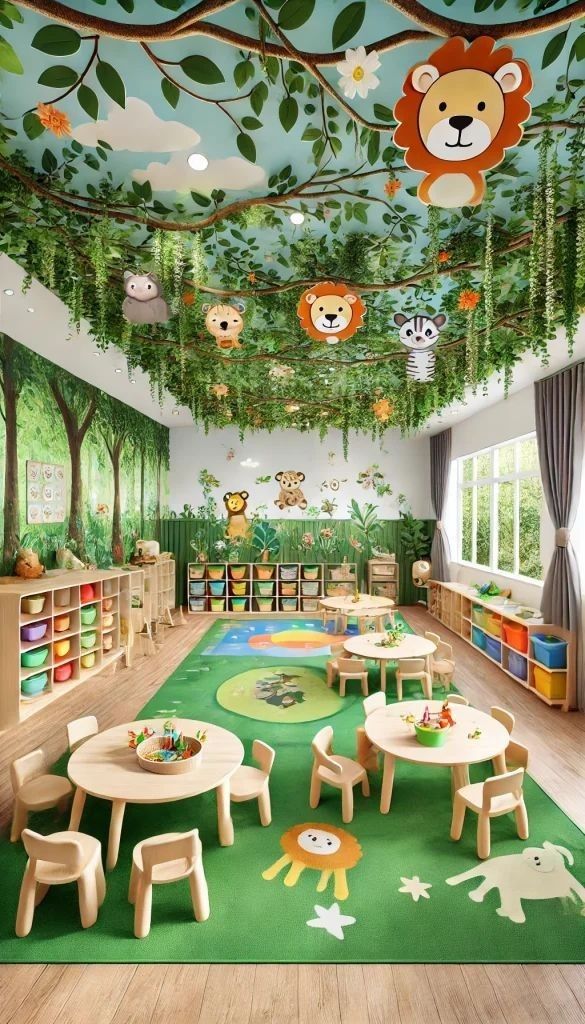
The classroom door is the very first thing toddlers and parents see each morning, making it one of the highest-impact, lowest-effort decorating ideas available.
Why it works: A themed door signals excitement before children even step inside, easing transitions for kids who feel anxious about separating from a parent.
Decorating tips: Swap a simple paper background and a few cutout characters every season rather than redesigning the entire door from scratch.
Budget-friendly suggestions: Reuse the same border each time and only change the centerpiece characters, stretching one set of supplies across the whole year.
Color recommendations: Match the season, but keep one neutral color constant on the border for an easy, cohesive refresh each time.
Materials to use: Bulletin board paper, cardstock cutouts, and removable adhesive that will not damage the door’s paint or finish.
Practical benefits: A rotating door display gives families something to talk about at pickup, strengthening the home-to-school connection naturally.
Teacher-friendly tip: Around the holidays, these gingerbread classroom door decorations make a sweet, low-effort seasonal swap that toddlers genuinely light up over.
Safety consideration: Keep all pieces flat against the door so nothing snags on backpacks or little fingers passing through.
9. Build a Photo Wall of Children and Families
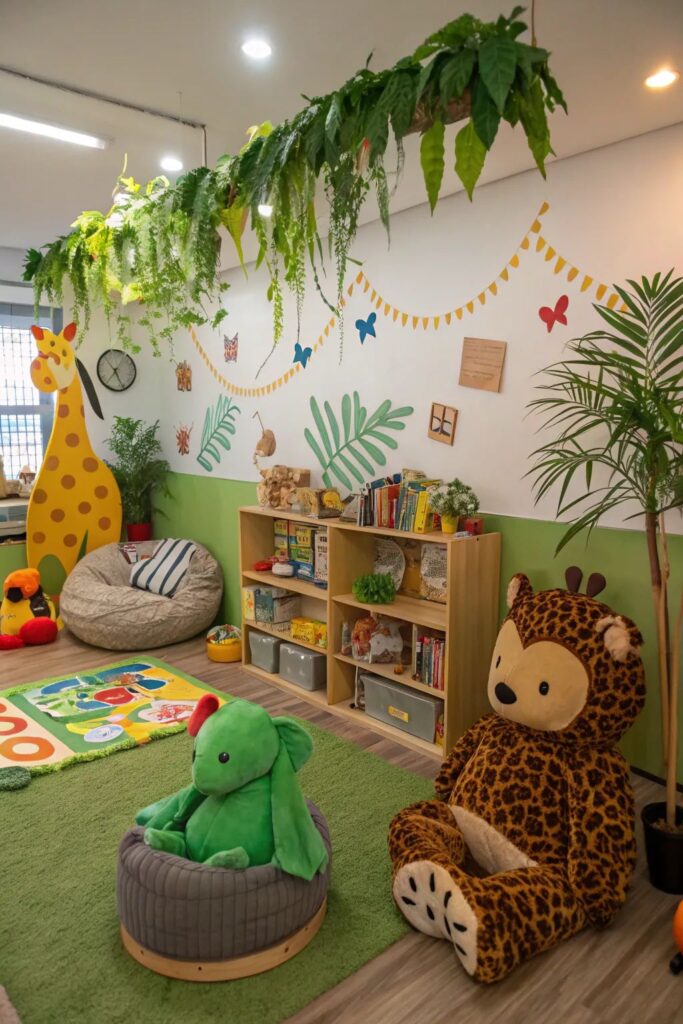
Few things comfort a toddler faster than seeing a familiar face, which makes a classroom photo wall one of the most emotionally powerful decorating ideas on this list.
Why it works: Visual reminders of home reduce separation anxiety and help toddlers feel grounded even during a long day away from parents.
Decorating tips: Group photos by month or by classroom activity, and update the display regularly so it never feels stale.
Budget-friendly suggestions: Print photos at home on regular paper instead of ordering professional prints, since toddlers will not notice the difference.
Color recommendations: Use a simple white or pastel mat board behind photos so the children’s faces stay the visual focus.
Materials to use: Clothespins on twine, a cork board, or simple frame collages depending on available wall space.
Practical benefits: Family photo walls support emotional security and give teachers an easy conversation starter during quiet moments with anxious toddlers.
Teacher-friendly tip: Ask families to send one photo at enrollment so every child has a spot ready on day one.
Safety consideration: Use push pins only above toddler reach, switching to adhesive or magnetic options anywhere within grabbing distance.
10. Add Hanging Mobiles and Ceiling Decor
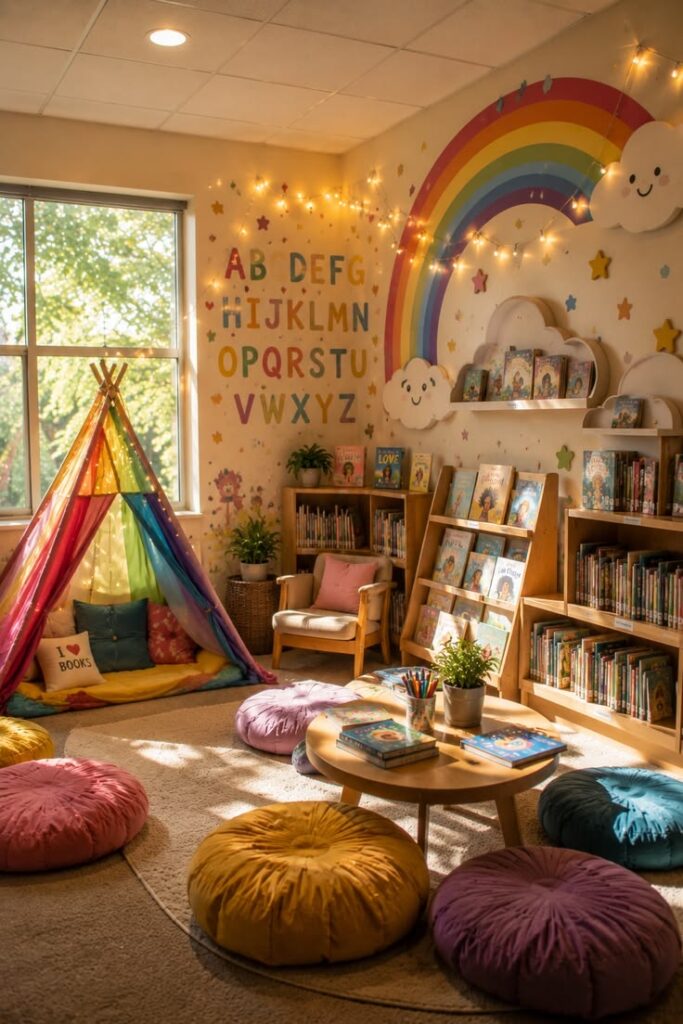
Toddlers spend plenty of time on their backs during tummy time, naps, and floor play, which makes ceiling decor a genuinely underused part of classroom wall decor strategy.
Why it works: Gentle movement overhead captures attention without requiring toddlers to focus on a busy wall, offering a calmer visual stimulation option.
Decorating tips: Hang mobiles at varying heights across the room rather than clustering them all in one spot, spreading visual interest evenly.
Budget-friendly suggestions: Repurpose paper lanterns, felt shapes, or even painted paper plates instead of buying specialty mobile kits.
Color recommendations: Soft, single-tone mobiles in pastel shades create a peaceful overhead view instead of a chaotic, busy ceiling.
Materials to use: Fishing line, lightweight paper, felt, and ceiling hooks rated for the weight of each piece.
Practical benefits: Overhead decor uses otherwise wasted space, keeping wall surfaces clearer for functional classroom organization ideas instead.
Teacher-friendly tip: Choose mobiles with washable or wipeable surfaces, since they will collect dust faster than wall-mounted pieces.
Safety consideration: Mount every hanging piece well above jumping or reaching height, and check hardware regularly so nothing loosens over time.
11. Create Sensory Wall Panels for Little Hands
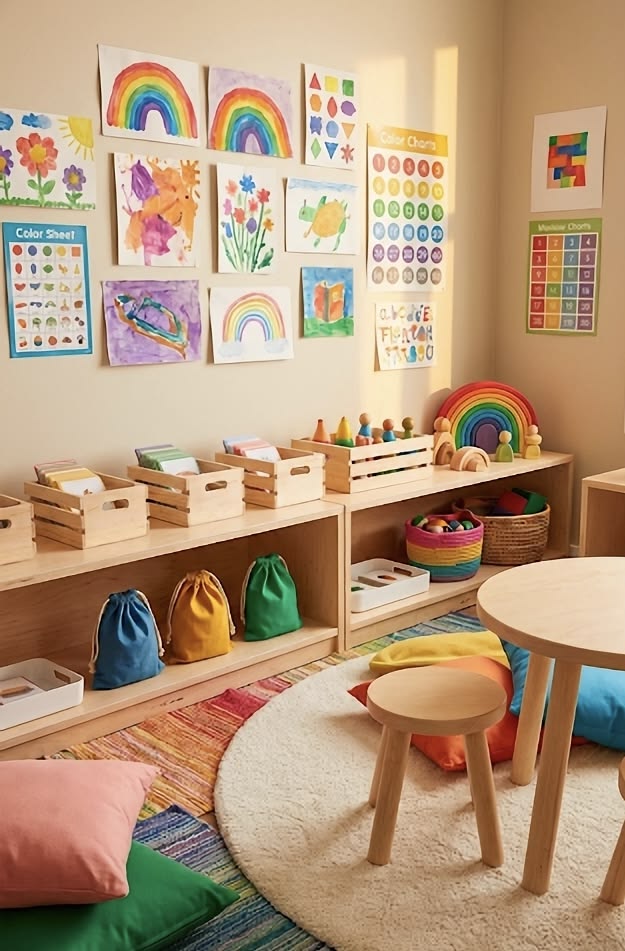
Toddlers learn through touch first, so a dedicated sensory wall panel turns ordinary classroom wall decor into an actual hands-on learning tool.
Why it works: Touchable textures satisfy a toddler’s natural urge to explore, which keeps curious hands busy with the wall instead of with classmates or supplies.
Decorating tips: Mix textures like bubble wrap, faux fur, sandpaper, and soft pom-poms across a low, sturdy board mounted at toddler height.
Budget-friendly suggestions: Build panels from scrap fabric, foam, and craft remnants instead of purchasing pre-made sensory boards.
Color recommendations: Bright, varied colors work well here since the focus is texture and exploration rather than calm and rest.
Materials to use: Foam board backing, hot glue, fabric scraps, and durable contact paper to protect the surface.
Practical benefits: Sensory panels support fine motor development and give fidgety toddlers an appropriate outlet built right into the learning environment.
Teacher-friendly tip: Replace worn textures section by section rather than rebuilding the entire panel each time something wears out.
Safety consideration: Avoid small attached objects like buttons or beads, and check regularly for loose pieces that could detach with repeated handling.
12. Design a Welcoming Greeting Wall
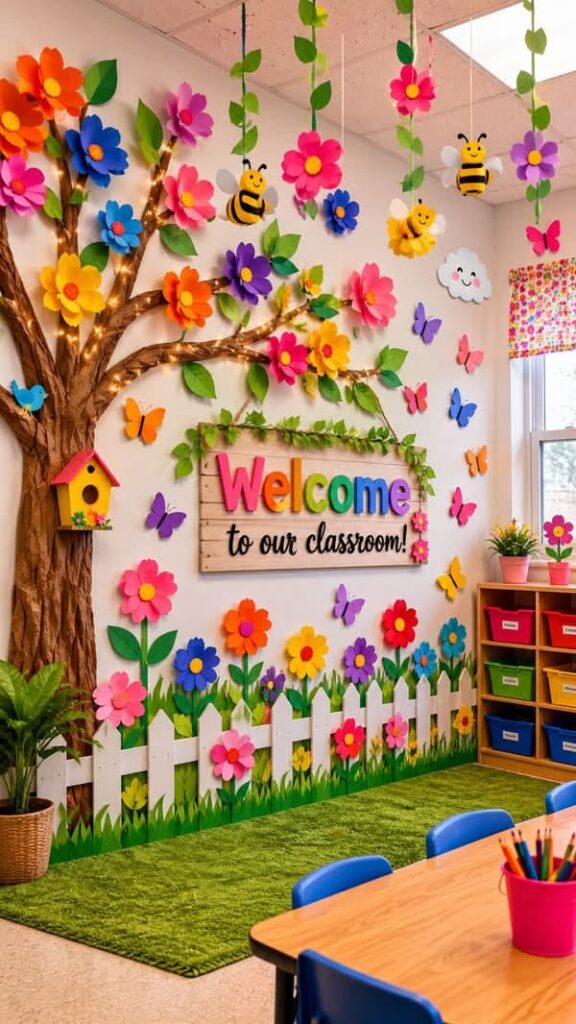
A warm greeting wall near the entrance sets the emotional tone for the entire day before toddlers even reach their classroom seat.
Why it works: A friendly first impression eases the transition from parent to teacher, especially for toddlers still adjusting to a new preschool classroom setup.
Decorating tips: Include a simple “welcome” message, a few cheerful illustrations, and space for a daily greeting routine like a sticker chart.
Budget-friendly suggestions: Use vinyl letters instead of a custom sign, and refresh seasonal accents with leftover craft supplies from other projects.
Color recommendations: Bright, happy colors work well here, since this wall aims to energize rather than calm.
Materials to use: Vinyl lettering, foam board, and laminated illustrations that withstand daily touching near the doorway.
Practical benefits: A consistent greeting ritual builds routine and predictability, both of which toddlers depend on for emotional security.
Teacher-friendly tip: Keep the greeting wall interactive, letting each child move a marker or sticker to show they have arrived.
Safety consideration: Keep all interactive pieces low enough to avoid stretching or climbing, and secure any moving parts firmly.
13. Use Labeled Storage Bins for Visual Organization
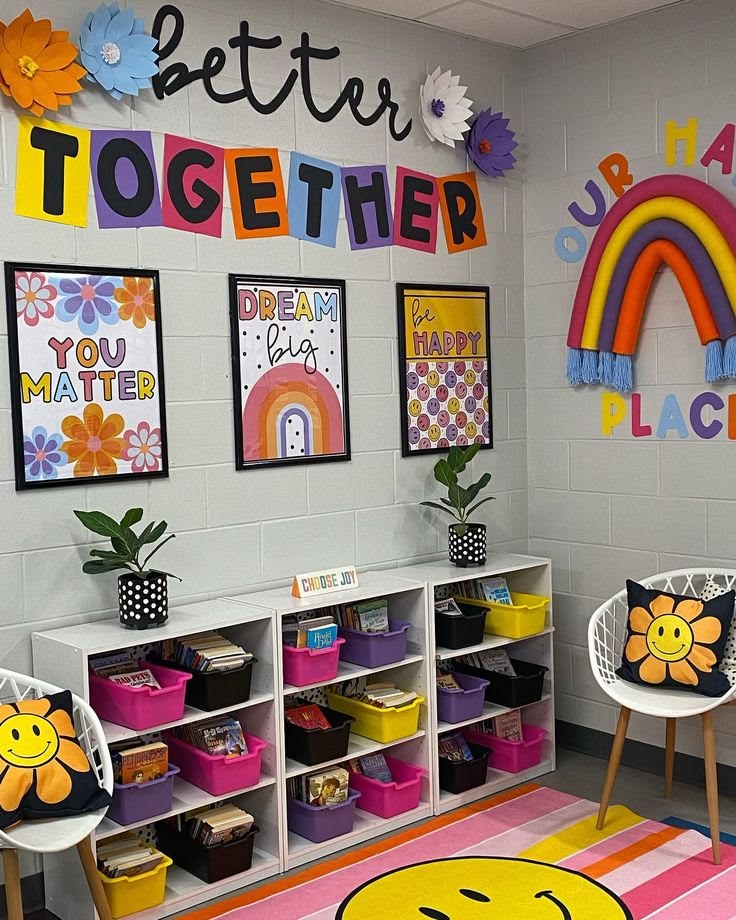
Clear, well-labeled storage does double duty as functional decor, turning practical classroom organization ideas into part of the room’s visual charm.
Why it works: Picture labels let toddlers find and return toys independently, building responsibility and reducing clean-up chaos at the end of each activity.
Decorating tips: Match bin colors to zones, like blue bins for blocks and yellow bins for art supplies, creating an intuitive system toddlers learn quickly.
Budget-friendly suggestions: Repurpose existing bins with new picture labels instead of replacing the entire storage system.
Color recommendations: Choose bright, distinct colors for each category so toddlers can sort by color alone before they fully read labels.
Materials to use: Laminated picture cards, colored bins, and adhesive label holders that survive daily handling.
Practical benefits: Visual organization shortens clean-up time significantly and supports a calmer, more predictable daily routine in the learning environment.
Teacher-friendly tip: Take a quick photo of each bin’s correct contents and tape it inside as a visual reference for substitute teachers.
Safety consideration: Choose lightweight plastic or fabric bins over rigid wood or metal ones to prevent injury if a bin tips during play.
How to Choose the Best Decorations for a Toddler Classroom
Not every adorable Pinterest find belongs in a real toddler classroom, so it helps to filter ideas through a few practical questions first.
Start with function. Ask whether a piece supports learning, calm, or organization, rather than choosing decor purely because it looks charming in a photo.
Consider durability next. Toddlers touch, pull, and occasionally chew on whatever sits within reach, so washable, sturdy materials always outperform delicate ones long-term.
Think about height and placement too. Decor at toddler eye level gets noticed and used, while anything mounted purely for adult viewing often goes unappreciated by the children themselves.
Finally, weigh maintenance realistically. A genuinely great toddler classroom decor idea should survive daily wear, quick cleanups, and the occasional spill without falling apart within a month.
Budget-Friendly Classroom Decorating Tips
Stretching a classroom budget takes creativity, but a beautiful, functional room rarely requires a big spend.
Shop end-of-season clearance sales for craft supplies, then store extras for next year’s seasonal door decorating ideas instead of buying fresh each time.
Repurpose materials whenever possible. Cereal boxes become storage bins, old t-shirts become no-sew fabric banners, and leftover wrapping paper becomes background for bulletin boards.
Print instead of purchase. Countless free printable decor sets exist online, and a home printer plus laminator handles most classroom decorating ideas at a fraction of retail cost.
Buy in neutral bulk. Plain bins, plain bulletin paper, and basic foam shapes in bulk let you customize endlessly without repurchasing a new set for every theme.
Finally, swap with other teachers. Trading gently used decor between classrooms or centers keeps every room fresh without anyone spending extra money.
Safety Tips for Toddler Classroom Decor
Cute decor only works if it is genuinely safe, so a quick safety pass should happen before anything goes on display.
Check for choking hazards first. Anything smaller than a toilet paper tube opening should stay well out of toddler reach, even decorative trim and buttons.
Mount everything securely. Toddlers lean, pull, and occasionally climb, so shelves, hooks, and frames all need wall anchors rather than simple adhesive alone.
Avoid sharp edges and corners on any decor near walking paths, since toddlers move unpredictably and bump into furniture more often than older children.
Use non-toxic materials throughout. Paint, glue, and fabric should all be labeled child-safe, since toddlers frequently touch their faces after touching nearby surfaces.
Finally, inspect decor regularly. A monthly walkthrough catches loosening hardware, fraying fabric, or fading labels before they become a real safety concern.
Frequently Asked Questions
What colors work best for a toddler classroom?
Soft pastels like sage green, blush pink, and pale blue generally calm toddlers best, while one bright accent wall adds energy without overwhelming the senses.
How often should classroom decor be updated?
Rotating small elements like photos or seasonal accents monthly keeps a room feeling fresh, while larger structural decor can stay in place for a full year.
What is the most budget-friendly way to decorate a toddler classroom?
Printable decor, repurposed materials, and laminated DIY signage consistently save the most money compared to commercial classroom decor kits.
Where should decorations be placed in a toddler classroom?
Most decor should sit at toddler eye level, roughly two to three feet off the ground, since that is where young children naturally look and engage.
How can teachers make decor both cute and functional?
Choose decor that doubles as a teaching tool, like labeled bins or an interactive alphabet wall, so charm and classroom organization work together.
Are wall decals safe for toddler classrooms?
Yes, as long as decals are non-toxic, securely adhered, and placed where toddlers cannot easily peel and grab small pieces.
How do you decorate a toddler classroom on a tight budget?
Focus spending on a few key areas, like the reading nook or calming corner, then fill remaining space with printables and repurposed materials.
Bring Warmth Into Every Corner of the Classroom
A thoughtfully decorated toddler classroom does more quiet work than most people realize, easing fears, sparking curiosity, and making little learners feel genuinely at home each day.
These 13 toddler classroom decoration ideas prove that a warm, functional space does not require a big budget or a design degree, just intentional choices made with toddlers in mind.
Start small if needed. Pick one or two ideas from this list, see how the children respond, and build from there as time and budget allow.
Your classroom does not need to be perfect on day one. It only needs to feel safe, welcoming, and ready for the wonderful little learners walking through that door tomorrow morning.


