

Walk into most high school counselor offices and you will notice the same thing: a desk, two chairs, a filing cabinet, and not much else. It is functional, sure, but it rarely feels like a place where a teenager wants to open up about what is really going on in their life.
That is exactly why school counselor office decorating ideas matter so much more than people realize. Teenagers already walk into these rooms carrying anxiety about grades, friendships, family stress, or bigger struggles they have not told anyone else about. The right environment can either add to that tension or quietly ease it.
A thoughtfully decorated counselor office sends a message before a single word is spoken. It says this is a safe space, this is a place where you matter, and this is somewhere you can breathe for a few minutes. That is a powerful job for paint colors, furniture, and a few well-placed decor pieces to do.
If you are a school counselor looking to refresh your space, or an administrator planning a budget for student support areas, this guide walks through 13 practical, student-friendly decorating ideas built specifically for high school counselor offices. Every idea below is realistic, affordable, and designed with real teenagers in mind, not a Pinterest board that never leaves the screen.
It also helps to remember that a counselor’s office is not a one-size-fits-all space. It might host a quiet one-on-one conversation about a family crisis in the morning, then a lively discussion about scholarship applications right after lunch. The best school counselor office decorating ideas account for that range, creating a room flexible enough to feel appropriate no matter what the moment calls for.
1. Choose a Calming, Neutral Color Palette
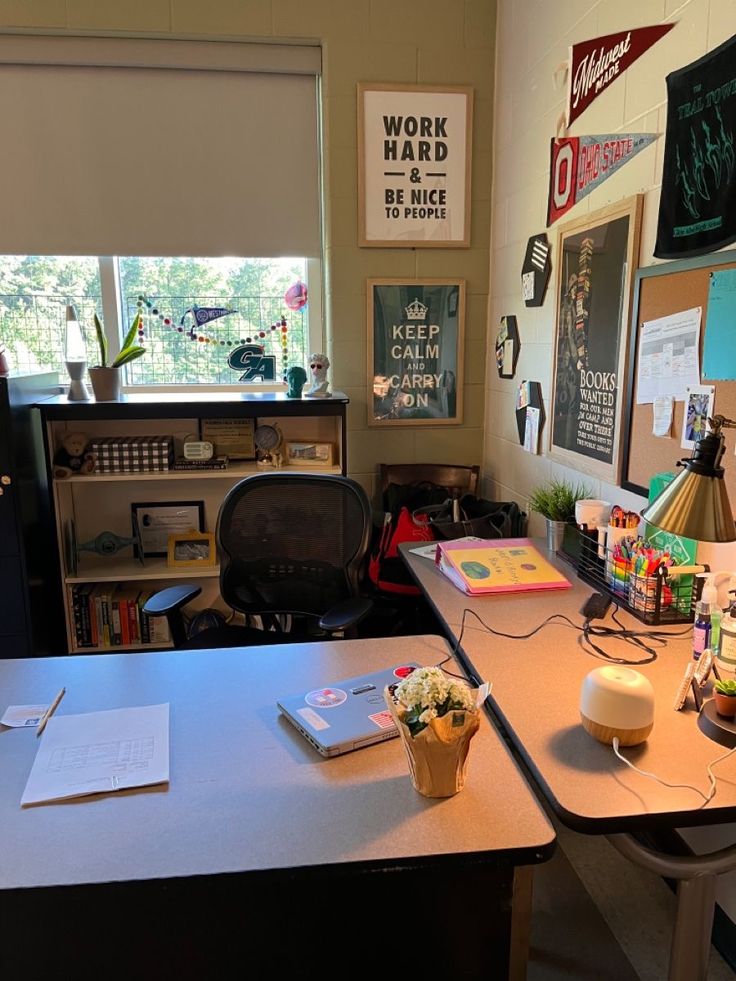
Color sets the emotional tone of a room before students even sit down. Bright primary colors might work in an elementary classroom, but high schoolers respond better to calmer, more mature tones.
Soft blues, sage greens, warm greiges, and muted terracotta all work beautifully in a counselor office. These colors are scientifically associated with reduced stress and lower heart rates, which is exactly what you want when a student walks in feeling overwhelmed.
Stick to one or two main wall colors and let accent pieces bring in a bit more personality. A single accent wall in a soft sage or dusty blue can anchor the whole room without overwhelming it.
- Sage green: Calming and grounding, pairs well with wood tones
- Soft blue: Associated with trust and lower anxiety levels
- Warm terracotta or clay: Adds warmth without feeling childish
- Greige or warm gray: Neutral, timeless, easy to update later
If you want more inspiration for colors and layouts that genuinely appeal to teenagers, these teen girl bedroom ideas offer a useful starting point, since many of the same color psychology principles apply to a school setting.
It also helps to think about how color interacts with the school’s existing palette. If your building already leans heavily on a particular school color, like navy or maroon, you do not need to avoid it entirely. Instead, use it sparingly as an accent rather than the dominant tone, so the room still feels calm rather than spirited.
2. Create a Cozy Seating Area Instead of Just a Desk Setup
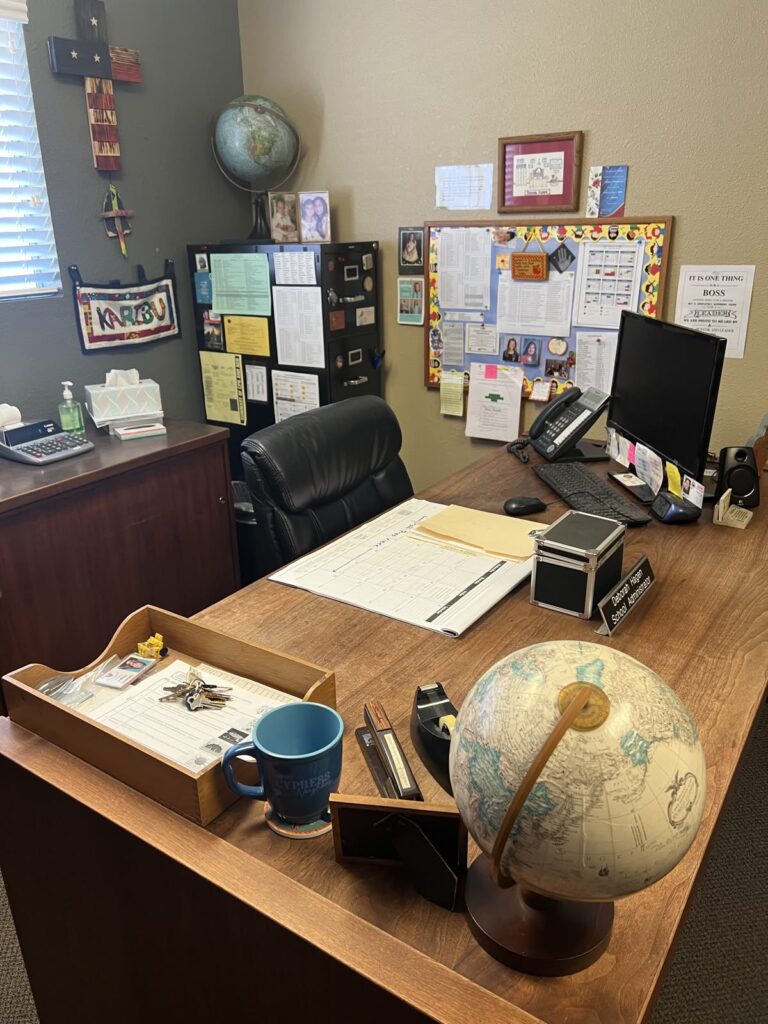
A desk with two chairs facing each other can feel more like an interrogation than a conversation. Teenagers already feel like they are being evaluated constantly at school, so the last thing they need is another formal setup.
Consider adding a small loveseat, two armchairs, or even bean bag chairs positioned at an angle rather than directly across from your desk. This small shift in furniture placement changes the entire dynamic of the conversation.
If your budget allows, a round or oval side table works better than a rectangular one, since it softens the room’s overall geometry. Circular shapes tend to feel less confrontational than sharp corners and straight lines.
3. Add Layered, Soft Lighting
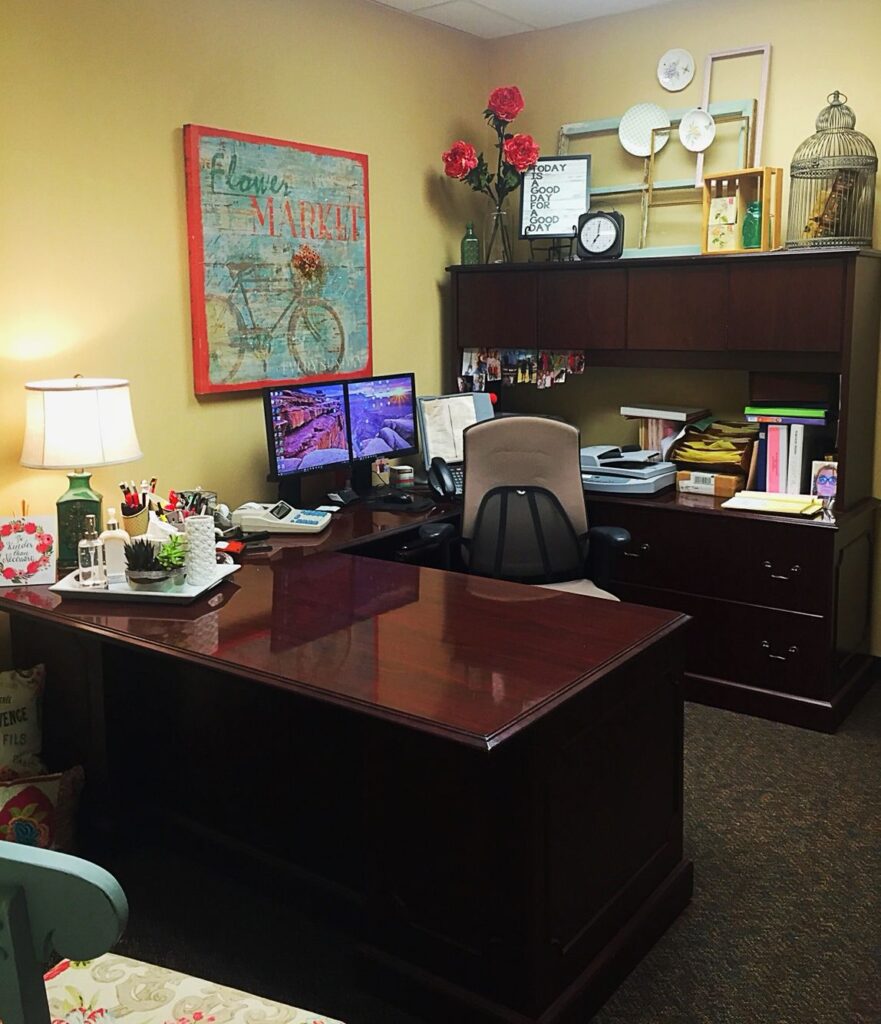
Fluorescent overhead lighting is one of the biggest mood killers in any school building, and counselor offices are no exception. Harsh, clinical lighting can make an already stressful conversation feel even more uncomfortable.
Layer in a floor lamp, a desk lamp, or even battery-operated string lights along a bookshelf to soften the overall glow. Warm white bulbs, in the 2700K to 3000K range, create a noticeably more relaxed atmosphere than cool white or daylight bulbs.
If your school allows it, a small dimmer switch or a lamp with adjustable brightness gives you flexibility depending on the type of conversation happening that day.
Natural light is another factor worth considering. If your office has a window, keep it uncovered or use sheer curtains during the day, then switch to softer lamp lighting for late-afternoon meetings when the sun has faded.
4. Use Wall Art That Feels Encouraging, Not Preachy
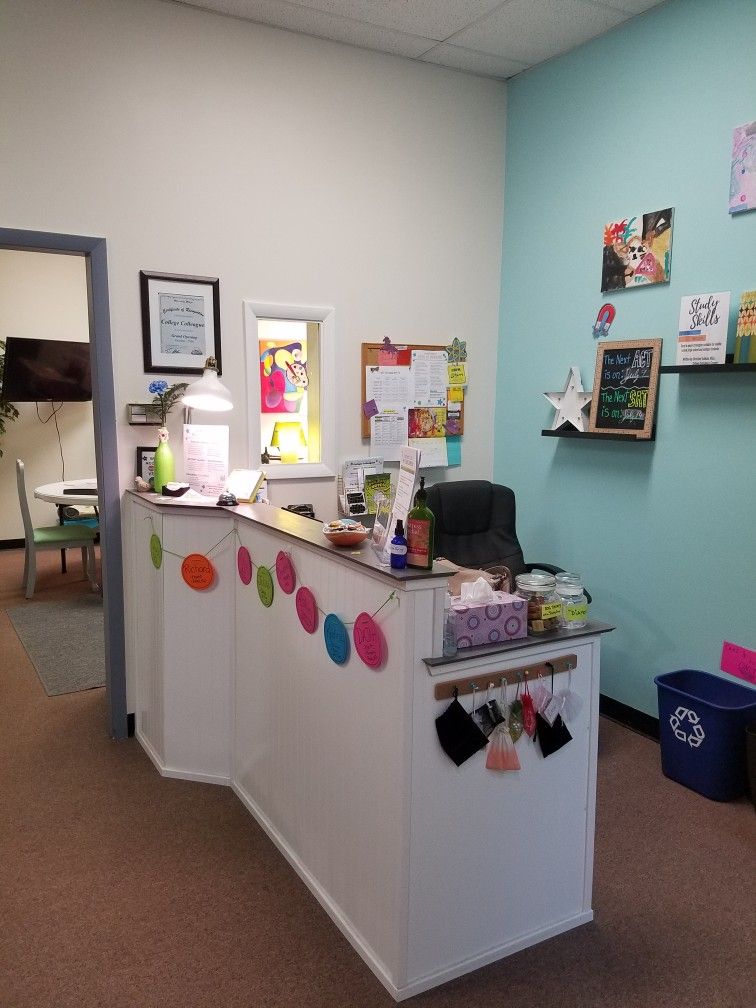
Motivational posters with cheesy slogans tend to get eye-rolled by teenagers within seconds. Instead, look for wall art that feels authentic, artistic, and relevant to their world rather than something that feels like a lecture.
Framed nature photography, abstract prints, or simple typography with short, honest phrases tend to land much better than the classic inspirational cat poster. A gallery wall mixing two or three art styles also adds visual interest without looking cluttered.
Rotating artwork every few months keeps the space feeling fresh and gives you a natural reason to check in with returning students about what has changed.
5. Incorporate Plants for a Natural, Grounding Touch
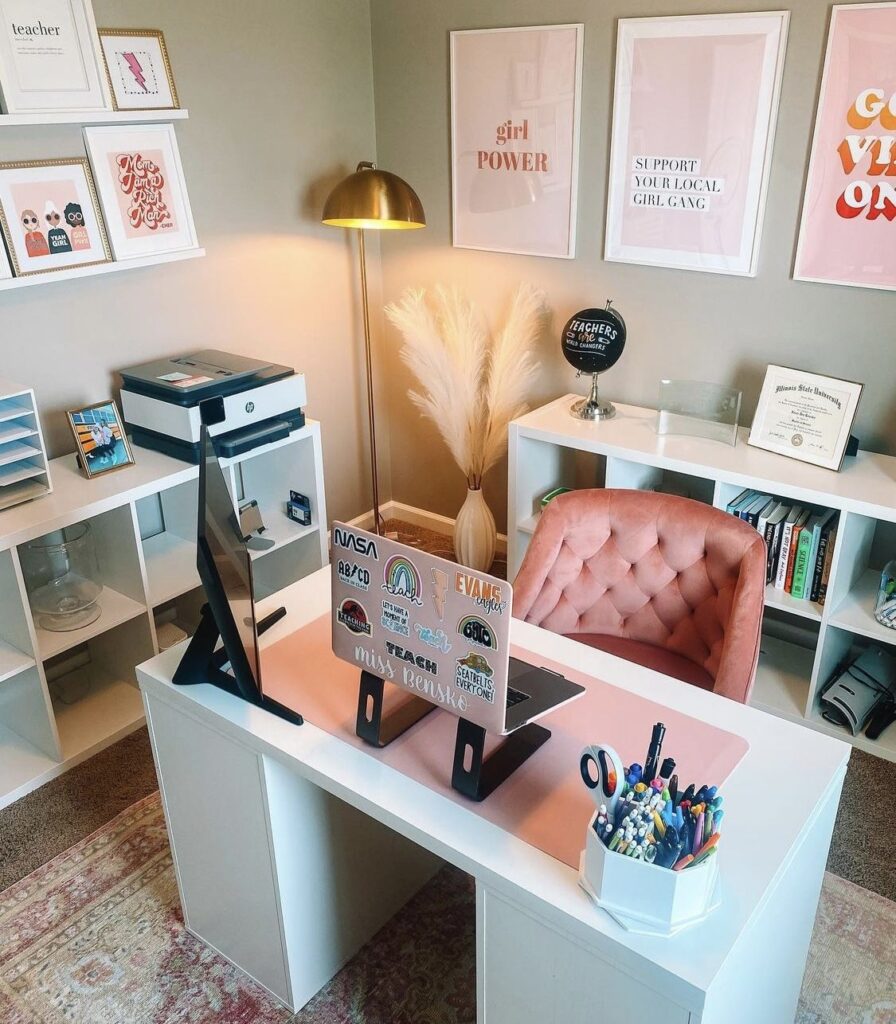
Greenery does more for a room’s atmosphere than almost any other single decor choice. Studies consistently link indoor plants to lower stress levels and improved mood, which makes them a natural fit for a counselor’s office.
If natural light is limited, low-maintenance options like pothos, snake plants, or ZZ plants thrive without much attention. For offices with zero natural light, a few high-quality faux plants can still add texture and life to the room.
Consider placing a small plant on the side table near the seating area rather than only on your desk. This puts a living, calming element within the student’s immediate view during conversations.
6. Build a Cozy Reading or Reflection Corner
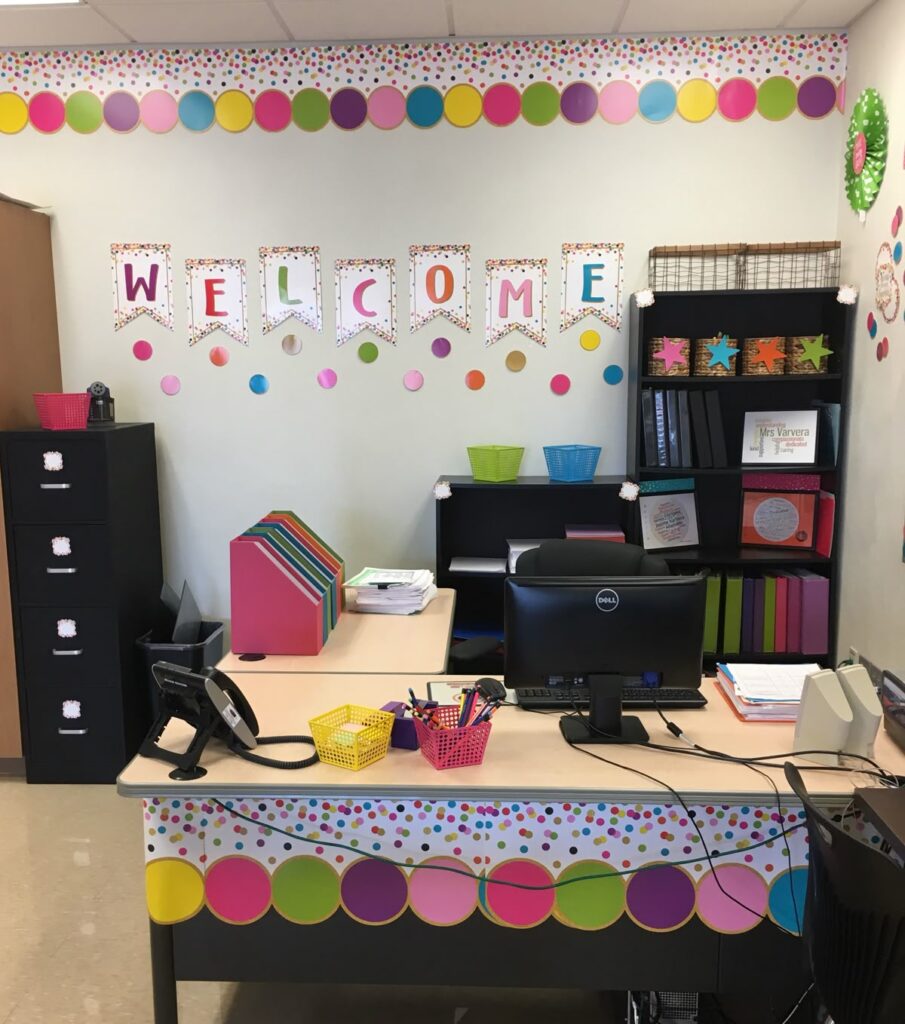
A small corner with a comfortable chair, a soft throw blanket, and a stack of books gives students somewhere to decompress before or after a tough conversation. This is especially helpful for students who need a few minutes to regulate their emotions before talking.
This idea works particularly well if paired with sensory-friendly elements like a weighted lap pad or a small tactile object on a nearby shelf. For fresh inspiration on cozy, functional layouts for shared student spaces, it can help to browse these classroom calming corner ideas before finalizing your own reflection corner.
7. Choose Furniture That Feels Residential, Not Institutional
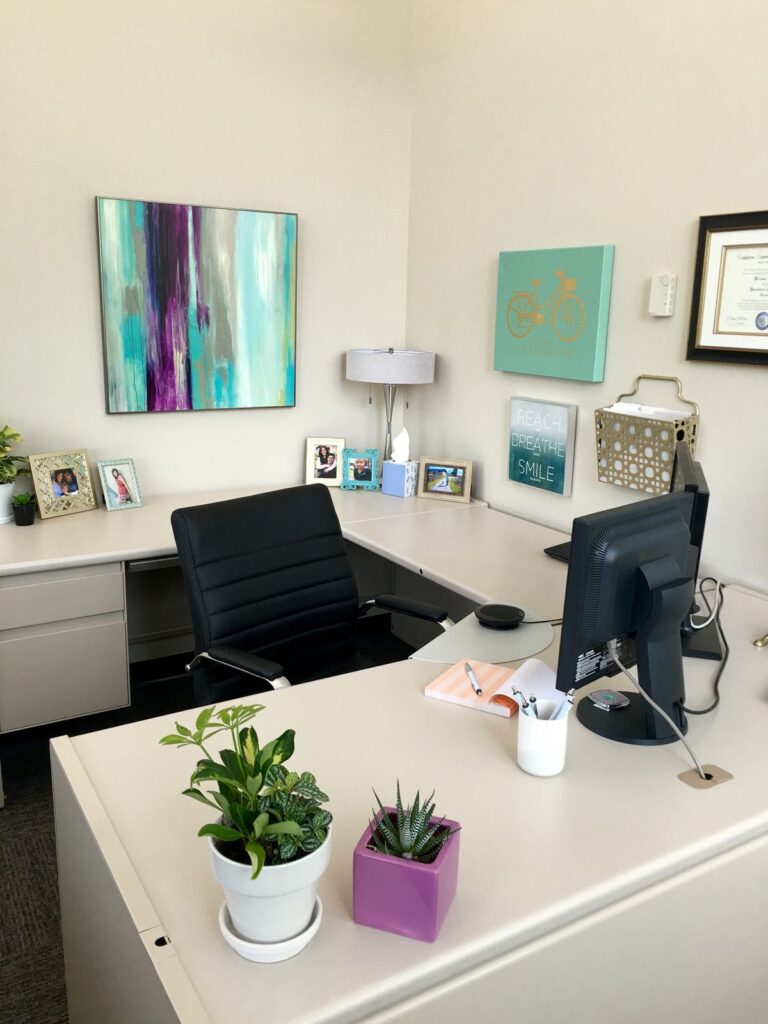
Standard school-issued furniture is built to survive decades of wear, but it rarely looks inviting. Swapping even one or two pieces for something with a more residential feel can transform the entire room.
A wooden bookshelf instead of a metal one, a patterned area rug instead of bare tile, or a comfortable desk chair instead of a standard rolling office chair all make a noticeable difference. These changes do not need to be expensive; secondhand furniture stores and online marketplaces often have solid wood pieces for a fraction of retail price.
Mixing textures, like a woven basket next to a smooth wood shelf, adds warmth without requiring a full furniture overhaul.
Even the arrangement of existing furniture matters more than most people expect. Pulling your desk slightly away from the wall, or angling it instead of squaring it off against a window, can make the whole room feel less rigid and more like a comfortable study than an administrative office.
8. Add Smart Storage That Keeps Sensitive Materials Organized
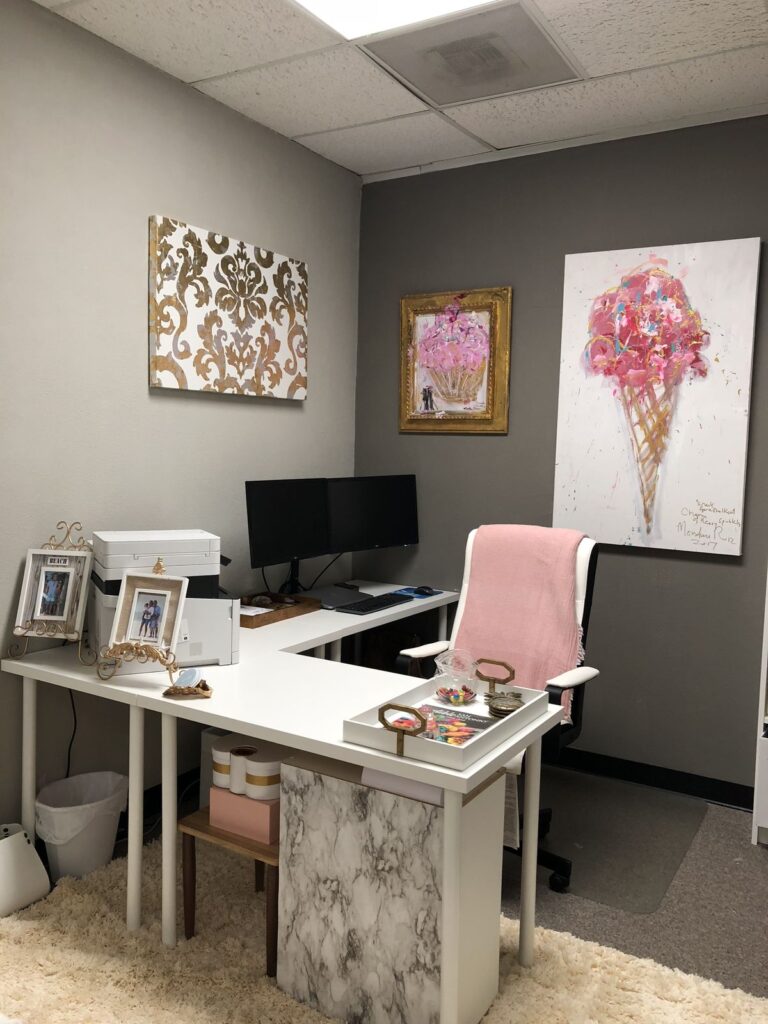
Counselor offices handle a lot of paperwork, from college applications to sensitive student records, and clutter can quickly make a small office feel chaotic. Good storage is not just about organization; it also protects student privacy.
Lockable filing cabinets should always house confidential records, but everyday supplies can live in more decorative baskets, bins, or open shelving. Labeling bins clearly helps you find what you need quickly during a busy school day, especially during testing season or college application deadlines.
- Lockable cabinet for confidential student files
- Woven baskets for tissues, fidget tools, and snacks
- Wall-mounted organizer for outgoing mail and forms
- Labeled bins for career and college brochures
9. Display a Career and College Inspiration Wall
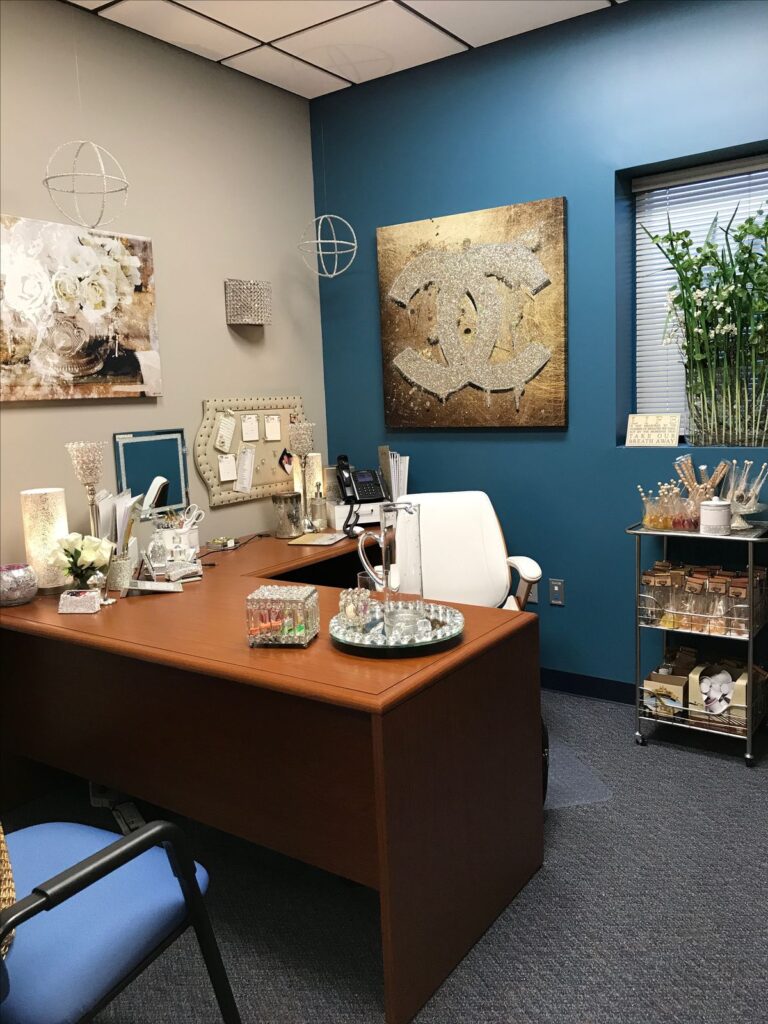
High school counselors spend a huge amount of time guiding students through college applications, scholarship deadlines, and career exploration. A dedicated wall or bulletin board for this purpose keeps important information visible without cluttering your desk.
Consider a corkboard with color-coded sections for application deadlines, scholarship opportunities, and local job shadowing programs. Adding a few university pennants or framed career path infographics can also spark conversation with students who are unsure what to do after graduation.
Keep this section updated regularly so it never feels stale or outdated, since students notice when information is old or irrelevant.
Some counselors also dedicate a small section to alumni success stories, featuring photos or short quotes from former students who went on to trade schools, community colleges, universities, or straight into the workforce. This variety reminds current students that there is no single right path after graduation.
10. Personalize the Space With Meaningful, Low-Key Touches
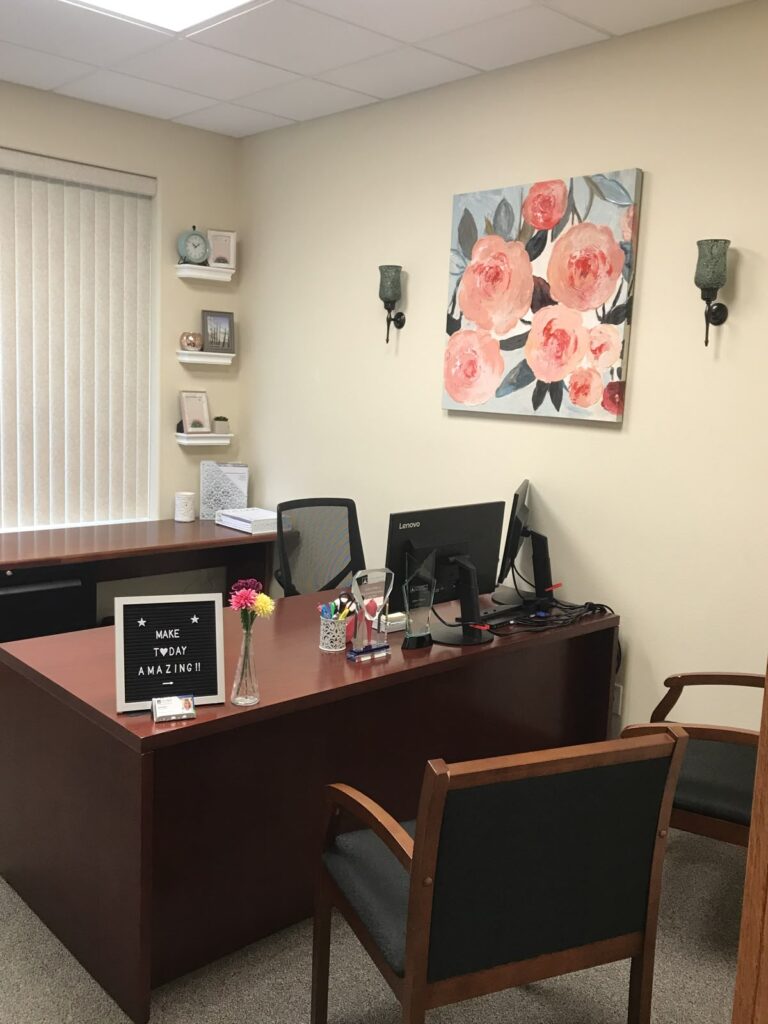
A completely sterile office can feel impersonal, but an over-decorated one can feel distracting. The sweet spot is a handful of personal touches that show your personality without pulling focus from the student.
A small collection of travel souvenirs, a favorite quote in your own handwriting, or a framed photo from a meaningful hike can all work well. These details give students something to comment on, which often opens the door to easier, more natural conversation.
Avoid displaying anything overly personal or political, since your office needs to feel welcoming to students from every background and belief system.
11. Include a Sensory or Fidget Station
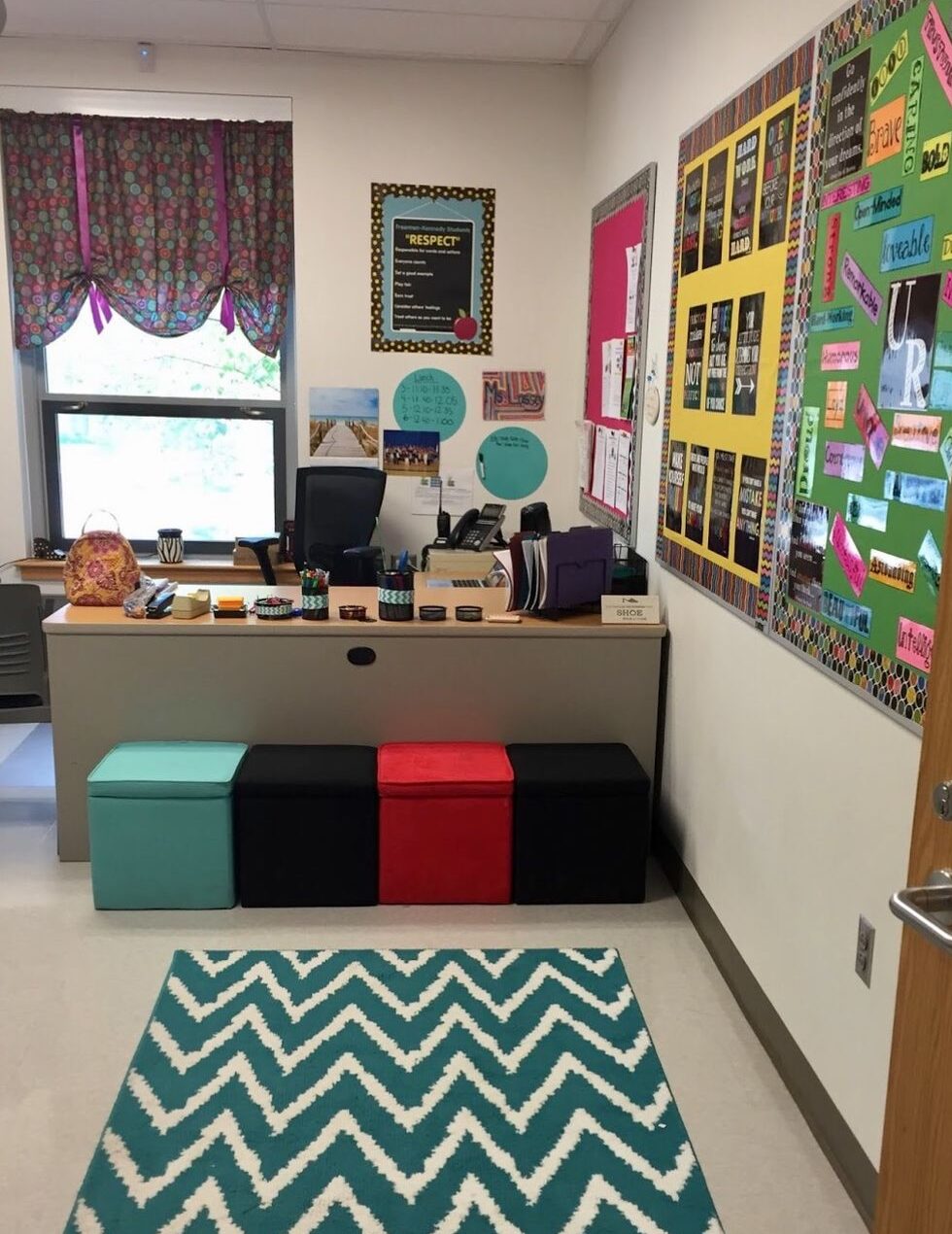
Many high schoolers deal with anxiety, ADHD, or sensory processing needs, and having something to touch or fidget with during a conversation can genuinely help them focus and open up. A small basket or tray with stress balls, fidget cubes, textured stones, or putty works well near the seating area.
This does not need to look childish. Choose items in muted colors and simple designs so the station blends into your overall decor rather than looking like a toy bin. A small wooden tray elevates even the simplest fidget tools into something that looks intentional.
This idea pairs especially well with a designated calm-down corner, similar to the strategies used in many toddler classroom decoration ideas, just adapted with more mature colors and materials for older students.
12. Use Rugs and Textiles to Soften Hard Surfaces
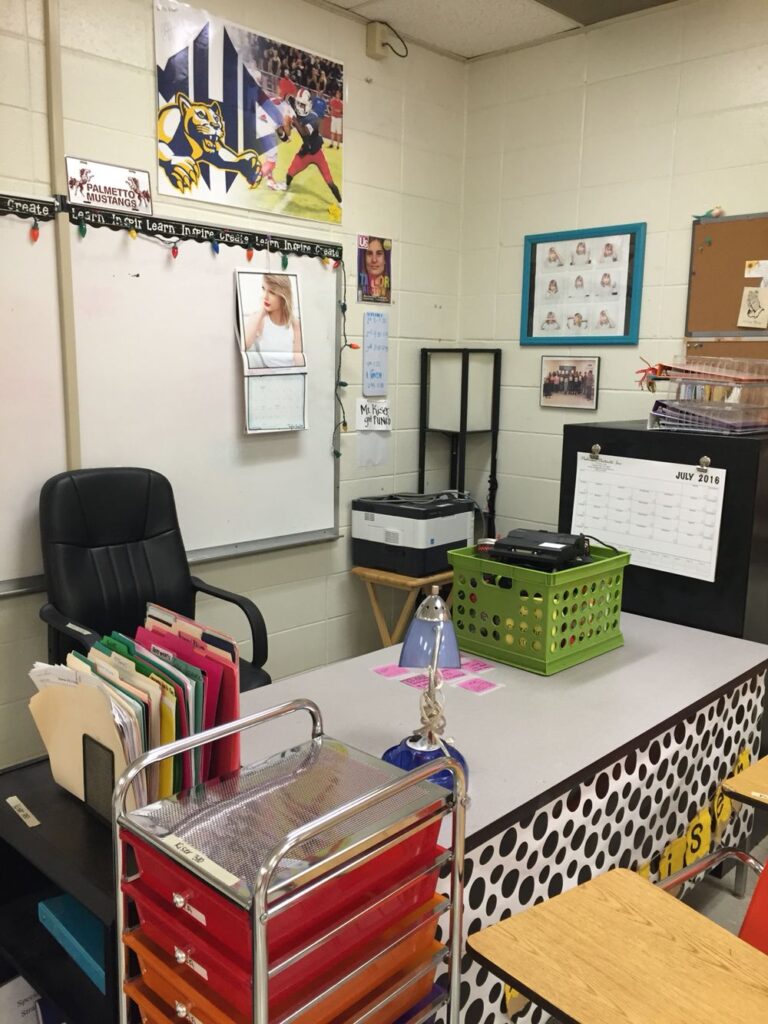
Most school buildings are full of hard, echo-prone surfaces: tile floors, painted cinder block walls, and metal furniture. A soft area rug instantly makes a room feel warmer, quieter, and more residential.
Layering in curtains, even simple ones over a window or a glass door panel, adds another layer of softness and privacy. Throw pillows on a loveseat or chair also invite students to physically relax rather than sit stiffly at the edge of their seat.
Choose durable, easy-to-clean fabrics since school offices see heavy daily use, especially during high-stress periods like finals week.
13. Create a Privacy-Conscious Layout
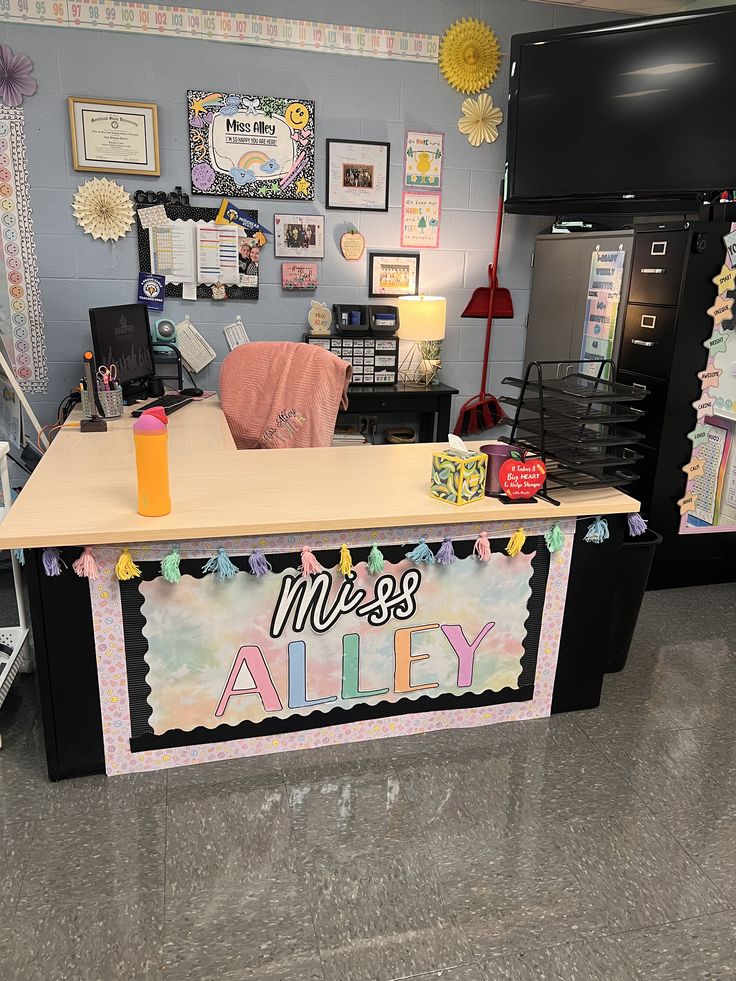
Confidentiality is at the heart of effective school counseling, and your room’s layout should reinforce that trust. Position your desk and seating area so that hallway windows or open doors do not allow passersby to easily see who is inside.
Frosted window film, a strategically placed bookshelf, or a decorative screen can all add privacy without making the room feel closed off or unwelcoming. Sound matters too, so a small white noise machine or soft background music can prevent conversations from carrying into the hallway.
A layout that respects privacy shows students, without saying a single word, that what they share in that room stays in that room.
Budget-Friendly Decorating Tips
You do not need a large budget to make a meaningful difference in your office. Small, strategic purchases often have more impact than one expensive furniture piece.
- Shop end-of-season clearance sales at home decor stores for rugs, lamps, and throw pillows
- Check secondhand furniture stores, thrift shops, and online marketplaces for solid wood pieces
- Ask your school’s PTA or local businesses about sponsoring a small office refresh
- Repaint one accent wall instead of the entire room to save on paint costs
- Use command strips and removable wallpaper for renter-friendly, damage-free updates
- Buy plants in bulk from a local nursery, which is often cheaper than big-box retailers
Small changes made consistently over a semester add up to a completely transformed space by the end of the school year. There is no need to do everything at once, especially on a teacher or counselor salary.
It is also worth checking whether your district has a small discretionary fund for classroom or office improvements, since many schools set aside money each year that goes unclaimed simply because staff do not ask. A short, well-organized proposal with photos and a simple budget breakdown can go a long way toward securing that support.
Common Mistakes to Avoid
Even well-intentioned decorating efforts can backfire if a few common pitfalls go unnoticed. Keep these in mind as you plan your own office refresh.
Overcrowding the Space
Too much decor can make a small office feel chaotic and overwhelming rather than calming. Stick to a few intentional pieces instead of filling every inch of wall and shelf space.
Choosing Childish Decor for a Teen Audience
What works in an elementary school counselor’s office will likely feel patronizing to a sixteen-year-old. Keep colors, patterns, and artwork age-appropriate and a bit more sophisticated.
Ignoring Sound and Privacy
A beautifully decorated room still fails its purpose if students worry about being overheard. Always prioritize privacy alongside aesthetics.
Forgetting Durability
School offices see constant use, so delicate fabrics or fragile decor items will not hold up long term. Choose durable materials that can handle daily wear and occasional spills.
Skipping Student Input
Some of the best decorating ideas come directly from student feedback. A quick, anonymous survey can reveal what actually makes your students feel comfortable, rather than relying on guesswork.
Frequently Asked Questions
What colors work best for a high school counselor’s office?
Soft, muted tones like sage green, dusty blue, warm gray, and terracotta tend to work best. These colors feel calming and mature without veering into childish or overly clinical territory.
How much should I budget for decorating a counselor office?
A meaningful refresh can be done for a few hundred dollars if you focus on paint, a rug, and a few key accent pieces. Larger furniture upgrades will naturally cost more, but they can be phased in over time.
Should I decorate with college and career themes?
Yes, a dedicated college and career corner is both practical and motivating for high school students. Just be sure to update it regularly so it stays relevant and does not feel outdated.
How do I make my office feel private without a door?
Frosted window film, bookshelves used as room dividers, and soft background sound can all help create a sense of privacy even in an open layout. Ask your school facilities team about window film options before purchasing.
What furniture is most important to upgrade first?
Seating usually makes the biggest impact, since it directly affects how comfortable a conversation feels. A soft loveseat or two armchairs angled toward each other is often a better first investment than a new desk.
Are fidget tools appropriate for high schoolers?
Yes, many teenagers benefit from having something to hold or touch during a conversation, particularly those managing anxiety or ADHD. Choose simple, muted designs so the tools feel discreet rather than childlike.
How often should I update the decor?
Small refreshes, like rotating artwork or swapping seasonal throw pillows, work well every few months. A larger overhaul every few years keeps the space feeling current without requiring constant spending.
Can I decorate my office myself, or do I need a professional?
Most of these ideas are designed for a DIY approach and do not require hiring a designer. A weekend, a modest budget, and a clear plan are usually enough to make a noticeable difference in how the room feels.
Final Thoughts
A high school counselor’s office carries real weight in a student’s day. It is often the one room in the building where a teenager can set down their guard, even if only for twenty minutes.
The 13 school counselor office decorating ideas covered here, from calming color palettes to privacy-conscious layouts, all work toward the same goal: making that room feel like a genuine refuge rather than another stop in a stressful school day.
Start small. Pick one or two ideas from this list, whether that is a new lamp, a cozy throw blanket, or a fresh coat of paint on a single wall, and build from there. Over time, those small changes add up to a space where students genuinely want to walk through the door.
Your office does not need to look like a magazine spread to make a difference. It simply needs to feel like a place where a student can exhale, speak honestly, and know that someone is truly paying attention.


